


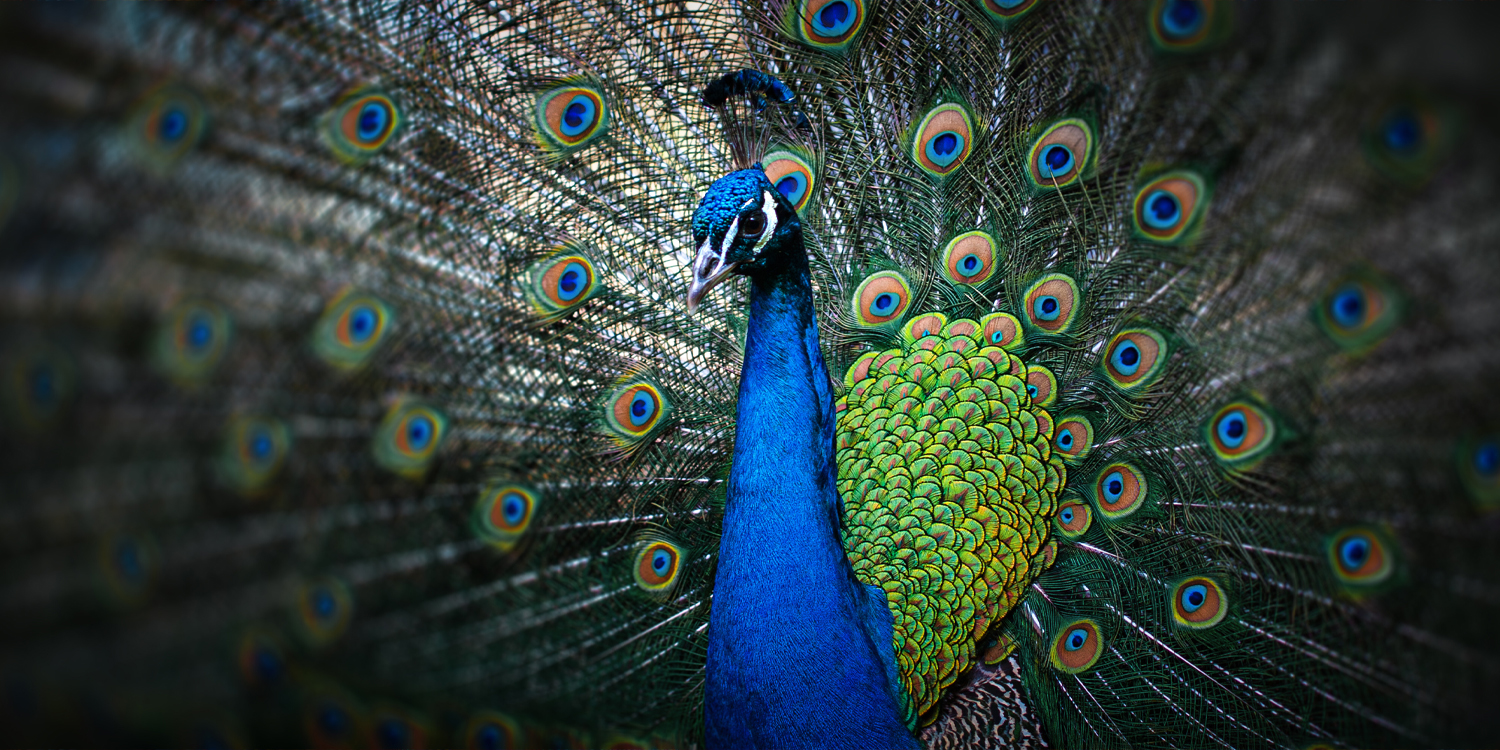
Decorative traits used to attract mates tend to evolve more rapidly than physical weapons used to fight rivals, according to new research published in Proceedings of the Royal Society B. Combining a mathematical model with data from 531 species in 10 animal groups, the researchers found that ornaments evolved faster overall, and their model suggests this is largely because mating preferences in the opposite sex drift unpredictably across generations. In the researchers’ framework, those shifting tastes create a moving evolutionary target for ornaments, whereas the physical demands of male-male competition keep weapons anchored to a steadier evolutionary pace.
Many of nature’s most elaborate features, from giant antlers to intricate courtship calls, persist not because they help an animal survive longer, but because they improve its odds of reproducing. Biologists call this evolutionary process sexual selection, and it operates through two primary channels.
Direct competition within the same sex, most often males fighting or intimidating rivals for access to mates, favors the evolution of weapons: physical structures capable of overpowering opponents or inflicting bodily harm, such as tusks, spurs, leg spines, and enlarged canine teeth. Mate choice, most often females choosing among prospective partners, favors the evolution of ornaments: visual, acoustic, or anatomical traits that appeal to a chooser’s senses, such as vibrant feathers, specialized vocal pitches, expandable throat fans, and elongated eye stalks.
Traits shaped by sexual selection often change faster over evolutionary history than ordinary body parts, yet biologists have debated how the pace of ornament evolution compares with that of weapons. When females favor a flashy male decoration, their offspring inherit genes from their father for the exaggerated ornament alongside genes from their mother for preferring it. Building on an idea first proposed by biologist Ronald Fisher, a 1981 mathematical modeling study indicated that this genetic pairing can trigger rapid, self-reinforcing bursts of evolutionary change.
Source: PsyPost — Read the full article on the original site ↗