

Local and Distributed Large LLM Inference with MLX and RDMA on Mac Studio
Local and Distributed Large LLM Inference with MLX and RDMA on Mac Studio
Read original on Apple Machine Learning Research ↗
Local and Distributed Large LLM Inference with MLX and RDMA on Mac Studio
Read original on Apple Machine Learning Research ↗
Selection-Based Structured Reasoning: Toward Efficient Multimodal Search Agents
Read original on Apple Machine Learning Research ↗
AuthorsMingfei Zhang, Amit Surana, Ziauddin Majid, Chenxi Wang, Michael Xu
Read original on Apple Machine Learning Research ↗
GHARP: Real-Time Gaussian Head Animation from Large-Scale Reconstruction Prior
Read original on Apple Machine Learning Research ↗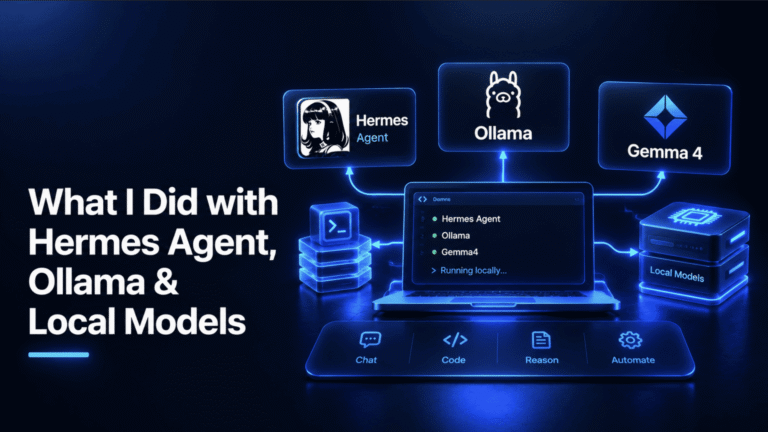
Build a local multi-agent travel planner with Hermes Agent and Ollama: a coordinator and three specialist agents that research destinations, suggest stays, and generate real Google Flights search links.
Read original on KDnuggets ↗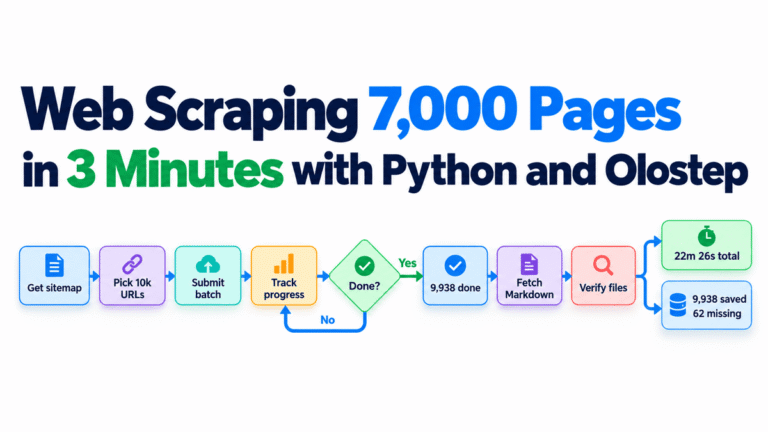
Scrape thousands of pages in a few minutes with the Olostep Batch API, download Markdown, and measure what actually finished.
Read original on KDnuggets ↗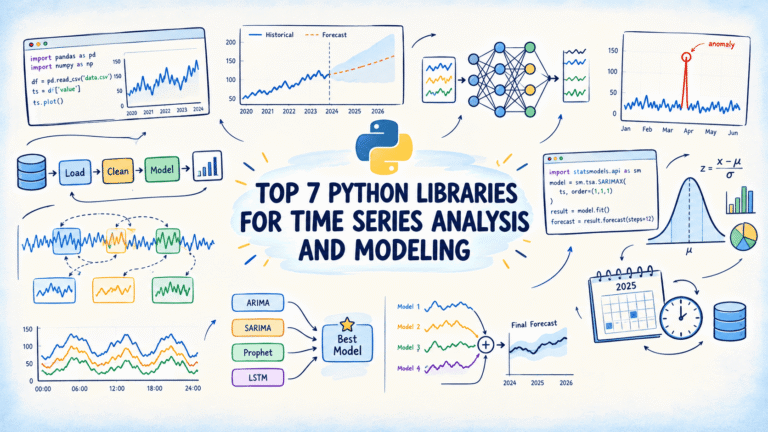
Working with time series data? These Python libraries cover everything from classical forecasting to deep learning and anomaly detection.
Read original on KDnuggets ↗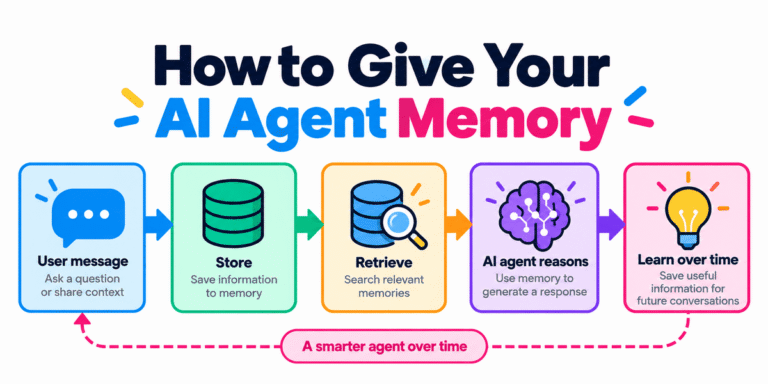
Learn how to give AI agents long-term memory using the OpenAI Agents SDK, Mem0, and MCP to remember preferences, context, and important information across sessions.
Read original on KDnuggets ↗
Everything about the Purplle Tech Challenge and off-campus SDE Intern hiring process .
Read original on Medium - data science interview ↗
This article is written for anyone who works alongside software engineers or applied scientists but does not come from a computer science…
Read original on Medium - data science interview ↗
Part 1: Event Stream Pairing with shift()Continue reading on Medium »
Read original on Medium - data science interview ↗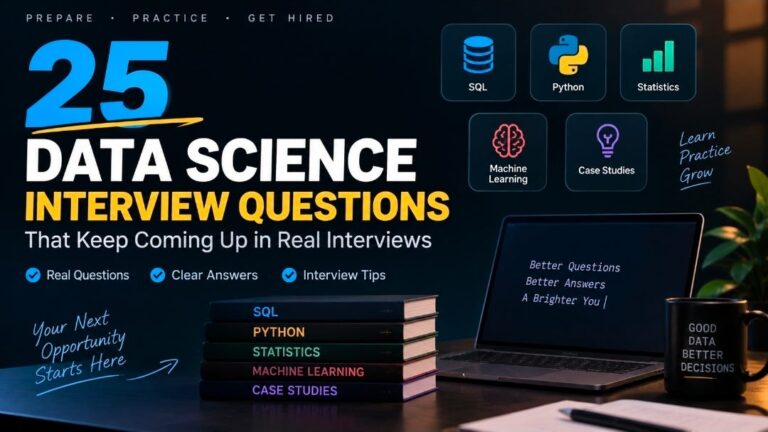
SQL, Python, Statistics, Machine Learning, and Real-World Case Studies
Read original on Medium - data science interview ↗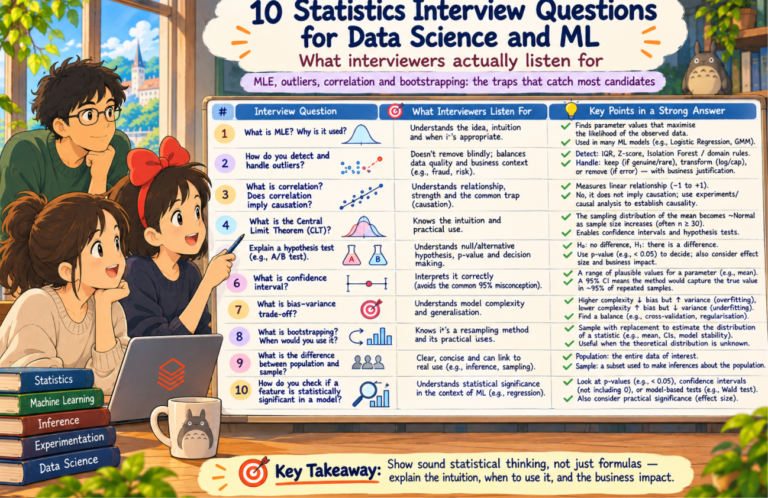
MLE, outliers, correlation and bootstrapping: the traps that catch most candidates
Read original on Medium - data science interview ↗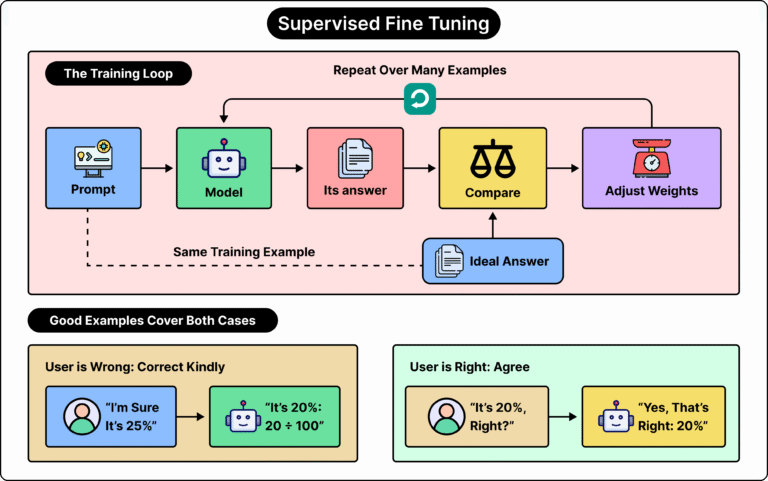
Some integrations belong to the whole company: a shared Slack bot, a team analytics API key, a server-to-server credential. Asking every user to connect their own account means duplicate tokens, half-finished setups, and a new support ticket every time someone joins.
Read original on ByteByteGo (system design interviews) ↗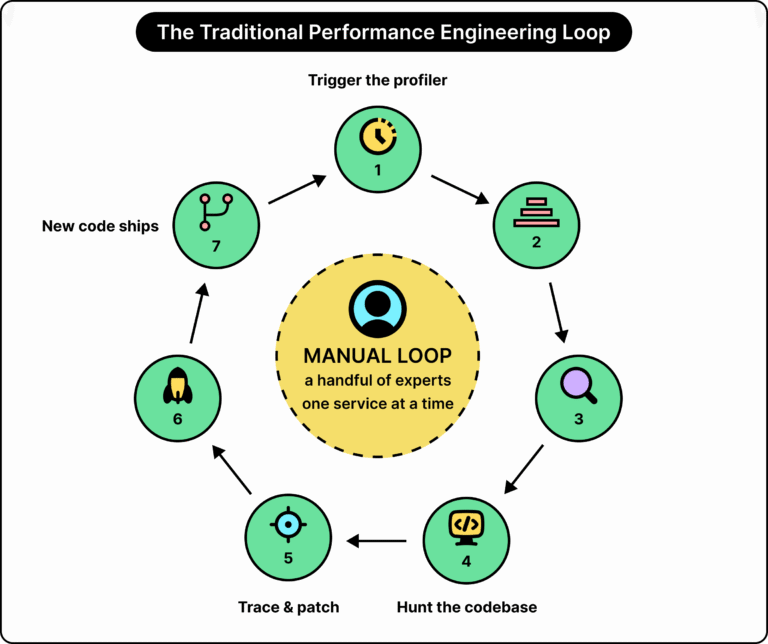
How does full-stack observability impact engineering speed, incident response, and cost control?
Read original on ByteByteGo (system design interviews) ↗
Your team connected Slack, Jira and GitHub over MCP, and engineers still spend their time steering agents to the right answer. This article looks at why: connectors fetch from one tool at a time, so every agent stitches the pieces together itself, trusts the first doc that looks right, and adds a search to your token bill each time.
Read original on ByteByteGo (system design interviews) ↗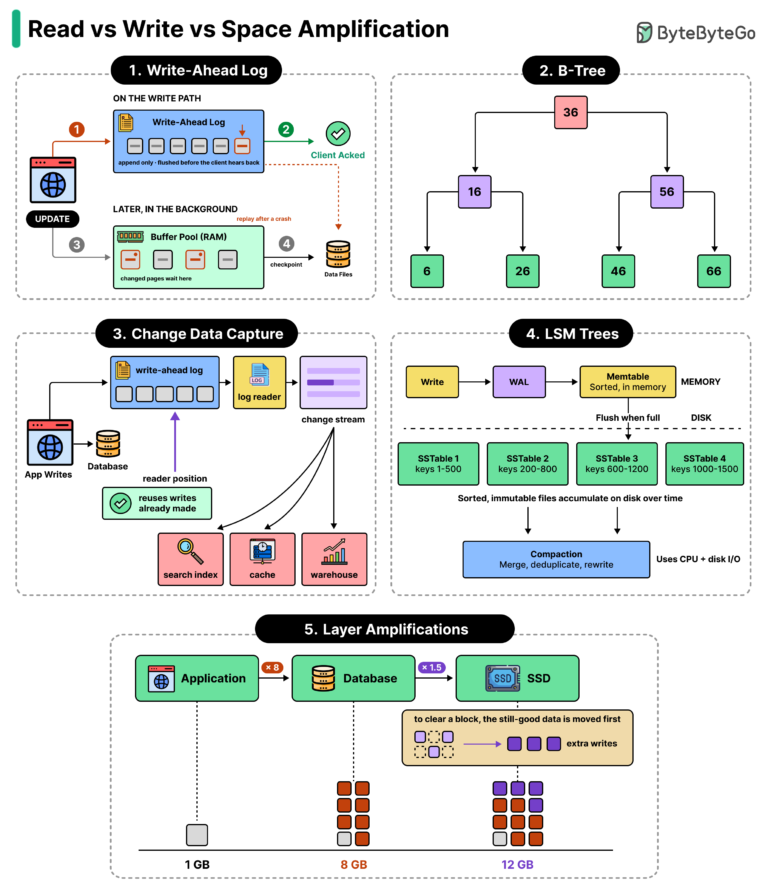
Mostly, an application’s storage system has to do work only when users make requests to that application. However, there’s a difference between the work requested and the work that the storage system has to perform. A storage system does extra work as well, which is equally important.
Read original on ByteByteGo (system design interviews) ↗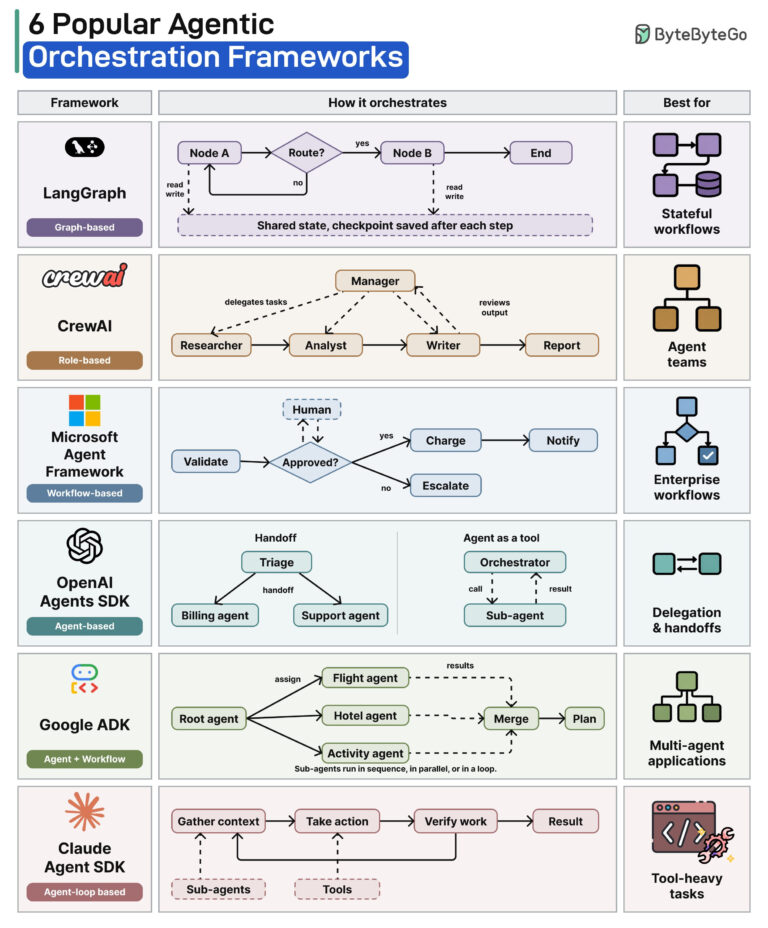
Match or beat harnesses on accuracy with 28% fewer tokens. Strands harness is open source and ships with benchmarked defaults for the system prompt, tools, memory, sessions, and context management, so you can skip wiring up a harness piece by piece.
Read original on ByteByteGo (system design interviews) ↗