
Learning Science, Psychology & Neuroscience

Anatomy of Medical School
Learning Science & ResearchThe Learning Scientists1 hour ago

Anatomy of Medical School

I work as a Medical Education Learning Specialist (MELS) at a large medical school in the US. My job is to take the science of learning and apply it to a very specific educational environment: undergraduate medical education. While a fair bit of that involves breaking down the science of learning, it also requires understanding the context in which the learning is taking place. In this post I want to explain the basic structure of medical school and licensing exams. This may be of interest to any incoming or aspiring medical students (particularly within the US since I will focus on the US medical school system), MELS colleagues, or anyone who knows someone in medical school and is curious about…

Read original on The Learning Scientists ↗

Digest #186: Talking about Learning Styles
Learning Science & ResearchThe Learning Scientists1 hour ago

Digest #186: Talking about Learning Styles

As a learning expert, I (Megan) still get asked about learning styles all the time. Recently I was chatting with a colleague and was excited to tell her that I’m getting through so many more books now that I’ve fully embraced audio books. She smiled at me and said, I think somewhat nervously, remind me again why learning styles isn’t a thing?

Read original on The Learning Scientists ↗
Wellness and Learning
Learning Science & ResearchThe Learning Scientists1 hour ago

Wellness and Learning

While we spend a good deal of time talking about learning strategies and how to balance note-taking, content review, and active retrieval practice, all of those strategies are actually fairly useless if you haven’t taken the time to prepare for learning.

Read original on The Learning Scientists ↗

GUEST POST: Premature Cognitive Offloading: The Developmental Blind Spot in K-12 AI Integration
Learning Science & ResearchThe Learning Scientists1 hour ago

GUEST POST: Premature Cognitive Offloading: The Developmental Blind Spot in K-12 AI Integration

Ryan Thomas Lee is an educator based in Chiang Mai, Thailand, and a postgraduate researcher in the Psychology and Neuroscience of Mental Health MSc programme at King's College London. He is the founder of JAI Behavioural, an advisory consultancy developing evidence-based cognitive and institutional governance frameworks for international schools. His empirical audit of AI policy across Southeast Asia and the Middle East is forthcoming in the proceedings of IEEE SAMYRAD 2026.

Read original on The Learning Scientists ↗
Generative AI and the temporary upskilling of knowledge workers
Learning Science & ResearchNature Human Behaviour1 hour ago

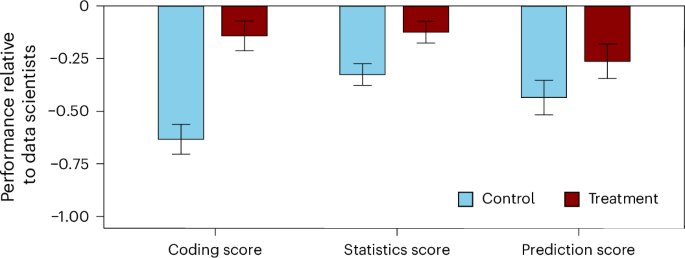
Generative AI and the temporary upskilling of knowledge workers

Upskilling often refers to the process by which workers acquire and expand their skills, enabling them to perform different types of work as market demands change. Here we demonstrate that generative artificial intelligence can act as an ‘exoskeleton’, enhancing workers’ capabilities when attempting new skills, but these gains depend on continued technology use.

Read original on Nature Human Behaviour ↗
Large language models for computational social science
Learning Science & ResearchNature Human Behaviour1 hour ago

Large language models for computational social science

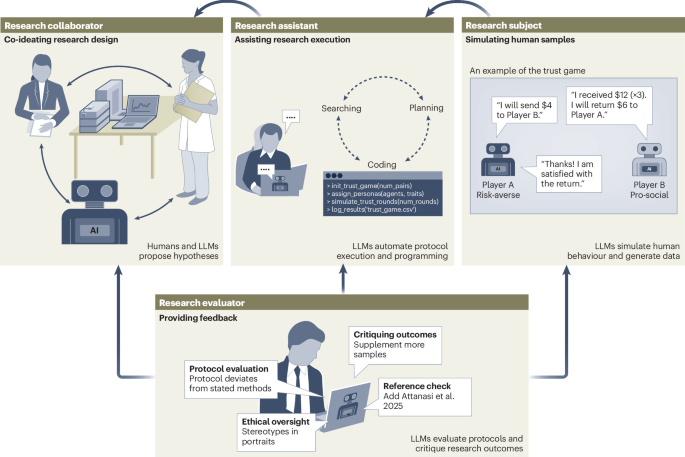
Large language models (LLMs) are transforming computational social science. This Review examines how LLMs now serve four distinct research roles: subjects that simulate human behaviour, assistants that automate analysis, collaborators that generate hypotheses and evaluators that audit and improve research quality. We analyse recent advances across sociology, political science, psychology, anthropology, economics and related fields, revealing how LLMs accelerate discovery while creating new methodological paradigms.

Read original on Nature Human Behaviour ↗
Preprimary education laws and women’s gender attitudes, empowerment and reproductive autonomy in 117 low- and middle-income countries
Learning Science & ResearchNature Human Behaviour1 hour ago

Preprimary education laws and women’s gender attitudes, empowerment and reproductive autonomy in 117 low- and middle-income countries

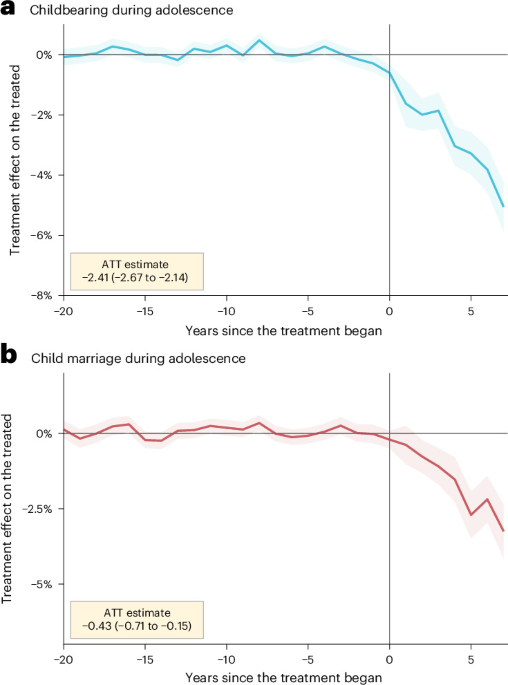
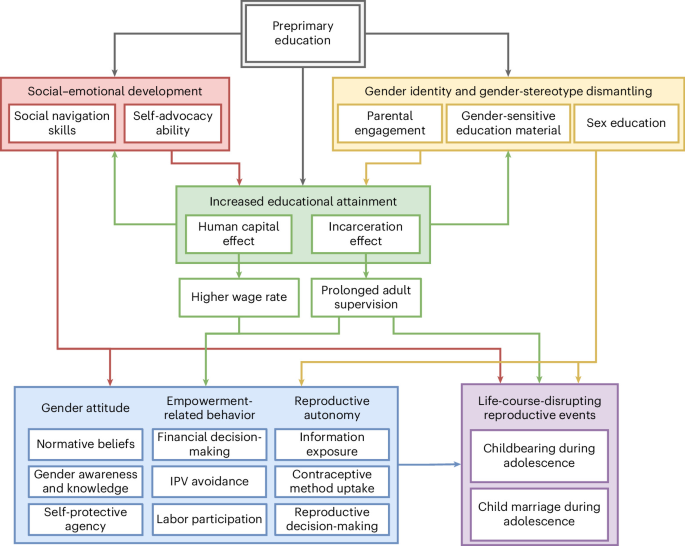
Preprimary education is central to the global education agenda, including Sustainable Development Goal 4.2. Despite global momentum in low- and middle-income countries, cross-national evidence on long-term outcomes associated with preprimary education legislation remains limited.

Read original on Nature Human Behaviour ↗