Preloader

Learning Science, Psychology & Neuroscience

Generative AI and the temporary upskilling of knowledge workers
Learning Science & ResearchNature Human Behaviour3 weeks ago

Generative AI and the temporary upskilling of knowledge workers

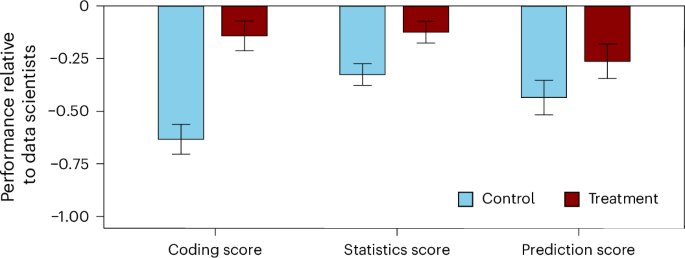
Upskilling often refers to the process by which workers acquire and expand their skills, enabling them to perform different types of work as market demands change. Here we demonstrate that generative artificial intelligence can act as an ‘exoskeleton’, enhancing workers’ capabilities when attempting new skills, but these gains depend on continued technology use.

Read original on Nature Human Behaviour ↗
Large language models for computational social science
Learning Science & ResearchNature Human Behaviour3 weeks ago

Large language models for computational social science

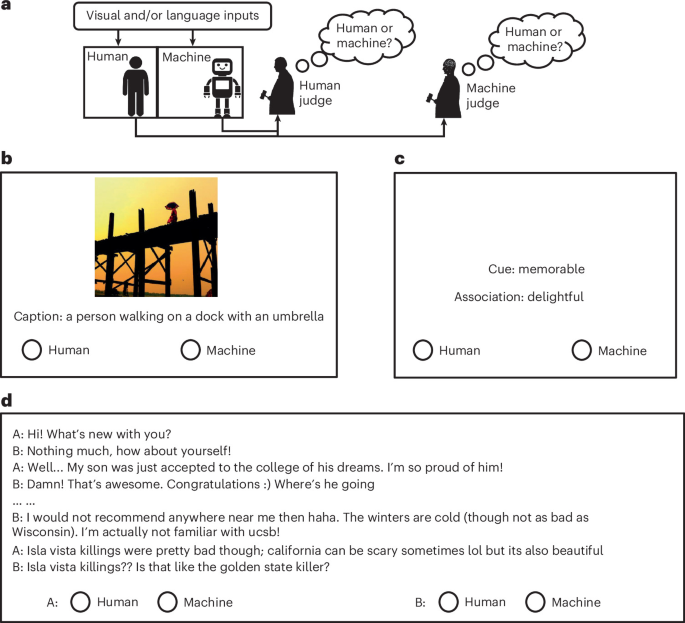
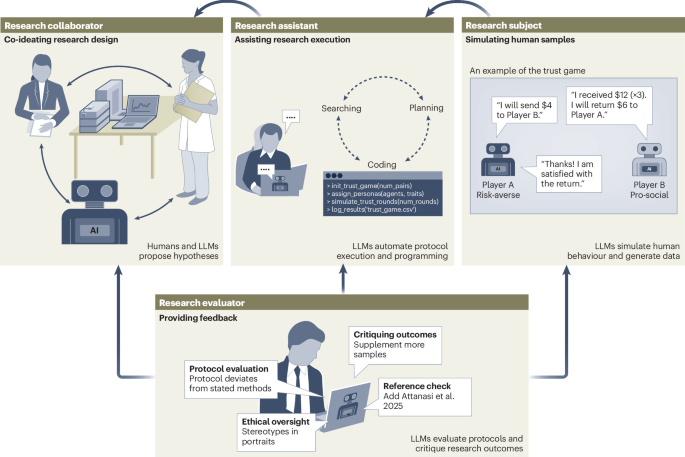
Large language models (LLMs) are transforming computational social science. This Review examines how LLMs now serve four distinct research roles: subjects that simulate human behaviour, assistants that automate analysis, collaborators that generate hypotheses and evaluators that audit and improve research quality. We analyse recent advances across sociology, political science, psychology, anthropology, economics and related fields, revealing how LLMs accelerate discovery while creating new methodological paradigms.

Read original on Nature Human Behaviour ↗
Preprimary education laws and women’s gender attitudes, empowerment and reproductive autonomy in 117 low- and middle-income countries
Learning Science & ResearchNature Human Behaviour3 weeks ago

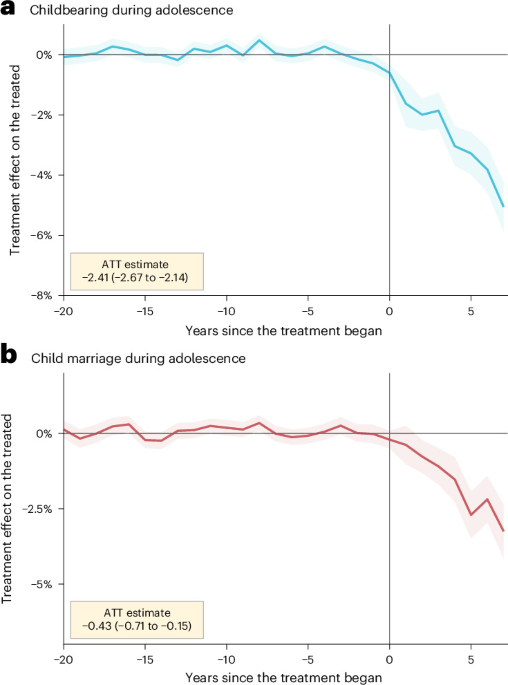
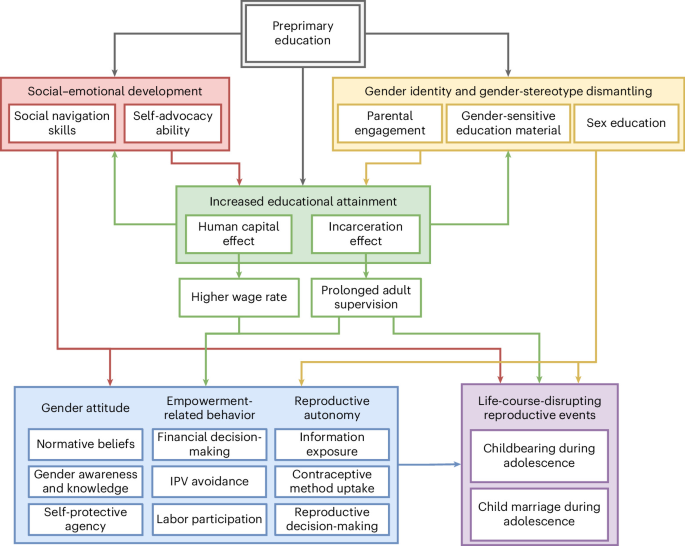
Preprimary education laws and women’s gender attitudes, empowerment and reproductive autonomy in 117 low- and middle-income countries

Preprimary education is central to the global education agenda, including Sustainable Development Goal 4.2. Despite global momentum in low- and middle-income countries, cross-national evidence on long-term outcomes associated with preprimary education legislation remains limited.

Read original on Nature Human Behaviour ↗
Beyond performance scores: directed functional connectivity as a brain-based biomarker for tracking motor skill learning and retention
Learning Science & Researchnpj Science of Learning3 weeks ago

Beyond performance scores: directed functional connectivity as a brain-based biomarker for tracking motor skill learning and retention

Surgical motor skill acquisition requires prolonged training and durable retention, yet standard behavioral metrics capture performance changes without revealing the neural mechanisms of learning. Here, we validate directed functional connectivity (dFC)—computed from electroencephalography across five cortical regions using nonlinear Granger causality—as a brain-based biomarker for tracking motor learning and retention. Twenty-five trainees completed a 15-day laparoscopic suturing program followed by six-week retention testing; an untrained control group (n = 27) and 15 expert surgeons served as behavioral and autonomous-stage references. dFC was evaluated using subtask-level decomposition, change-point detection, and a one-dimensional convolutional neural network benchmarked against the Fundamentals of Laparoscopic Surgery (FLS) score. dFC classified pre- versus post-training trials with 94.4% accuracy, outperforming the FLS-based classifier (84.5%), while matching FLS on pre-…

Read original on npj Science of Learning ↗
Decredentialed jobs and upward mobility among non-college workers in the USA
Learning Science & ResearchNature Human Behaviour1 month ago

Decredentialed jobs and upward mobility among non-college workers in the USA

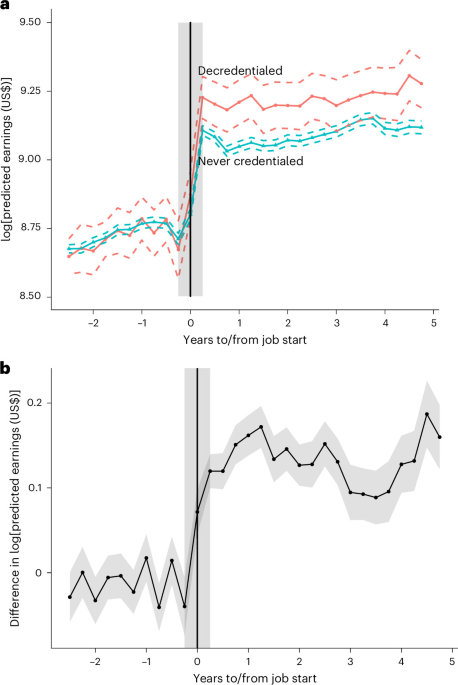
Prominent employers are increasingly dropping college degree requirements when hiring. Does this provide upward mobility for non-college workers? Matching job postings to 446,500 job starts in US administrative data from 2011 to 2021, we show that employers reduced the share of postings requiring a degree by more than 10%.

Read original on Nature Human Behaviour ↗