ODEFTO's TAKE
The research team investigated neural activity in the human hippocampus. Their findings suggest a potential link between brain structure and large language models.
This research matters to professionals and teams working with AI because it identifies a possible structural similarity between the way language models process information and how the brain, specifically the hippocampus, encodes meaning. The article reports that understanding these similarities could inform the development of more effective AI models. it offers a potential explanation for the functioning of the mesial temporal lobe within the broader language network. The research also presents a preview of subscription content, with access via an institution and core data available at https://dabi.loni.usc.edu/projects/W2ZHP46ITR2D.
Here are three practical actions Odefto Labs can take this month:
Firstly, explore the details of the findings related to positional encoding within the hippocampus. Secondly, investigate the identified correlation between hippocampal neural responses and LLM self-attention weights. Finally, review the available data uploaded to DABI at https://dabi.loni.usc.edu/projects/W2ZHP46ITR2D to understand the methodology employed.
The next area for observation will be further exploration of the vectorial shifts observed in hippocampal activity and their relationship to attentional reweighting mechanisms in large language models.
This is Odefto's take on a published article, written with AI help from the article's text. The link below goes to the source.
Source: Nature Human Behaviour — Read the original article ↗
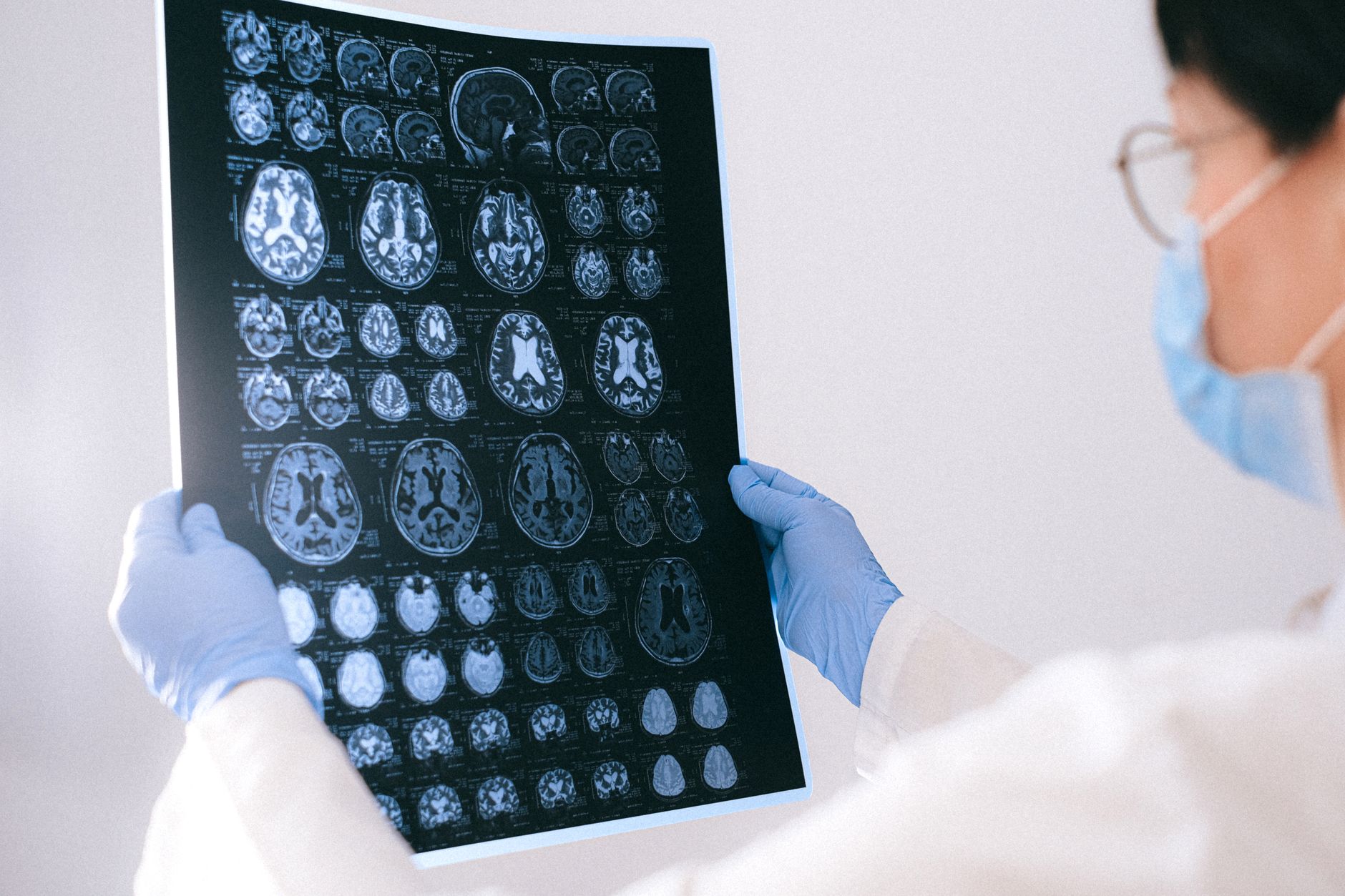
Featured image: Photo by Anna Shvets on Pexels
Get the best of this topic in your inbox
Join the newsletter. A short, useful digest, no spam.