


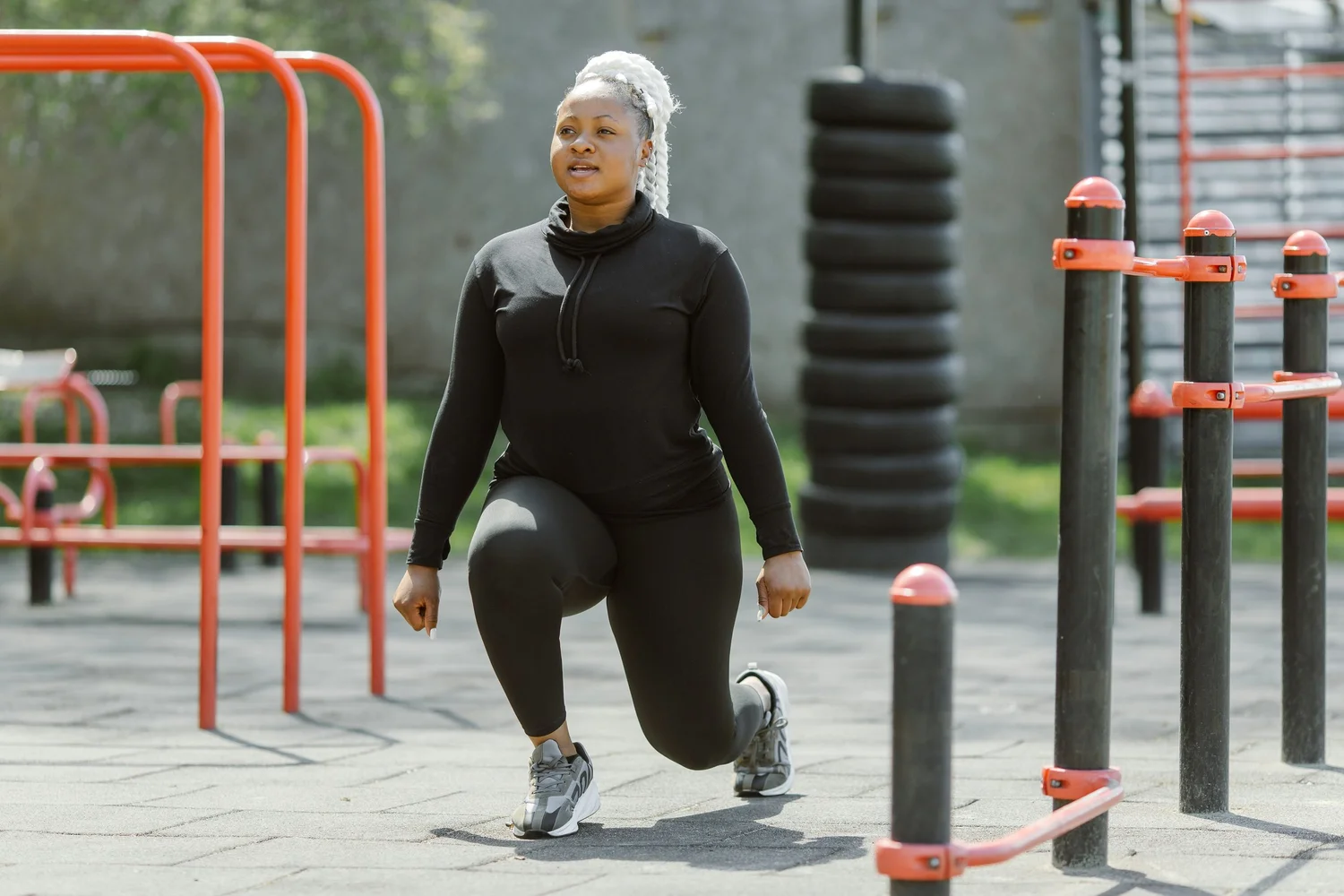
Perhaps one of the more obvious pieces of advice that I give medical students about learning is to remember that our brains are in our bodies. Yes, I know that these are very smart, high achieving students who know quite a bit about anatomy and biology. But I also know that in an educational system and society that focuses so much on productivity, it can be easy to compartmentalize our lives. To become so focused on maximizing spaced retrieval practice (yay!) that we forget to prioritize sleep, nutrition, and exercise (boo!). In high-stress and fast-paced environments it can be difficult to remember that we are, ultimately, animals. Creatures that need sleep, a healthy diet, and daily walks.
A recent meta-meta-analysis by Singh et al. (2025) examined the effectiveness of exercise for improving cognition (1). The analysis included 133 meta-analysis, which themselves comprised a total of 2,724 randomized control trials. I’ll break down the results, but the overall finding was pretty notable: exercise, even light intensity, benefits general cognition, memory, and executive function across all populations.
The meta-meta-analysis classified outcomes into three categories: general cognition, memory, and executive function. General cognition was measured by scales like the Mini-Mental State Examination, Montreal Cognitive Assessment, and the Alzheimer’s Disease Assessment Scale – Cognitive Subscale which are used in medical settings to assess overall cognitive functioning. Memory was measured by instruments like the Wechsler Memory Scale and Verbal Learning Test which measure short-term memory and episodic memory. Executive function was measured by tools like the Digit-Span Test, Digit Span-Backwards, Digit-Span Forwards, and Trail Making Test Part A and B which measure visual and verbal working memory and attention.
There was a significant effect of exercise for improving general cognition. This effect was found across all age groups. The effect varied as a function of exercise type, with a moderate-to-large effect for exergames, and a small-to-moderate effect for aerobic, dance, mind-body, mixed mode, resistance exercise, and other. The effect of exercise on general cognition did not vary as a function of exercise intensity, however interventions that lasted for 1-3 months had the greatest effect on general cognition compared to interventions lasting 4-6 months or greater than 6 months. Finally, the beneficial effects of exercise on general cognition did not vary as a function of session frequency, session duration, or weekly duration.
Source: The Learning Scientists — Read the full article on the original site ↗