


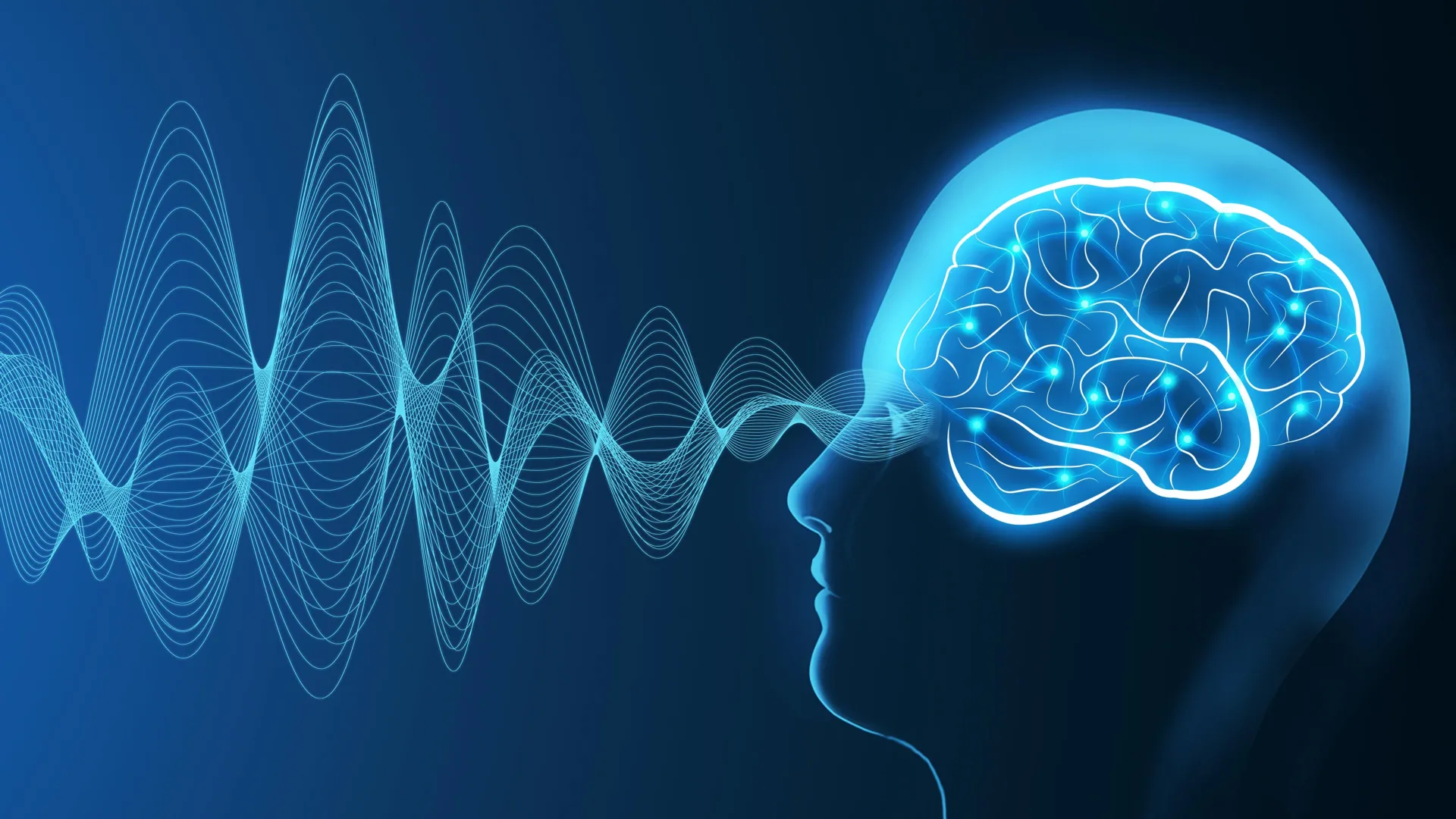
While we go about our daily activities, the brain gradually accumulates waste, including lactic acid and proteins that are no longer useful. Sleep provides an important opportunity to clear away these substances. As we rest, waves of cerebrospinal fluid (CSF) move through the brain, helping remove waste and maintain healthy brain function.
Researchers at MIT have now discovered a way to make these fluid waves stronger using brief pulses of a gentle sound called "pink noise." When delivered at carefully chosen moments during sleep, the sounds amplify slow electrical waves in the brain. Those stronger electrical signals, in turn, produce larger waves of CSF.
The finding opens up intriguing possibilities for improving brain health. Scientists want to determine whether increasing this fluid movement could sharpen thinking, strengthen memory, or slow neurodegenerative diseases associated with the accumulation of damaging proteins, including amyloid beta.
"We found that we were able to increase the size of the CSF flow wave during sleep, which as far as we know, there hasn't been a method to do before. Now that we can enhance CSF flow during sleep in healthy adults, we're really excited to bring this technology to clinical populations to see what effects we can have," says Laura Lewis, the Athinoula A. Martinos Associate Professor of Electrical Engineering and Computer Science, a member of MIT's Institute for Medical Engineering and Science and the Research Laboratory of Electronics, and an associate member of the Picower Institute for Learning and Memory.
Source: ScienceDaily - Neuroscience — Read the full article on the original site ↗