


“Time is a river that sweeps me along, but I am a river,” Borges wrote. “Time is a fire that consumes me, but I am the fire.”
Most of us are not Borges. Most of us are drowning in bewilderment at where the time goes, burning with the urgency of being alive while waiting to start living, wandering the labyrinth of life with wayward presence, wishing that time ran differently as the cult of productivity turns each minute into a blade pressed against the vein of our transience.
And all the while, our time is nested within our times — the epoch we are living through together, born into it with no more choice in the matter than the body and brain and family we have been born into. In his magnificent essay on Shakespeare, James Baldwin countered the commonplace lament of every epoch: “It is said that his time was easier than ours, but I doubt it — no time can be easy if one is living through it.” A century before him — a century of unrest and transformation — Emerson issued the ultimate antilamentation: “This time, like all times, is a very good one, if we but know what to do with it.”
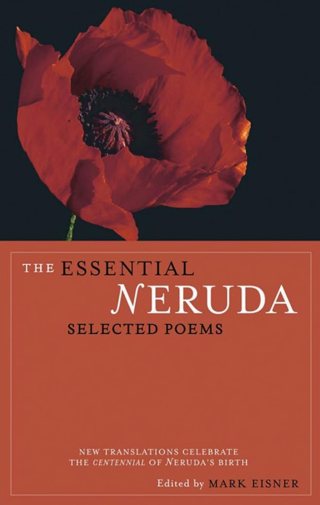
Not knowing what to do with the time we have been given, not knowing how to hold time in our personal and political lives, is at bottom an act of forgetting how time hold us. Pablo Neruda (July 12, 1904–September 23, 1973) casts a spell against forgetting in the fourth canto of his long poem “Morning,”:
Source: The Marginalian — Read the full article on the original site ↗