


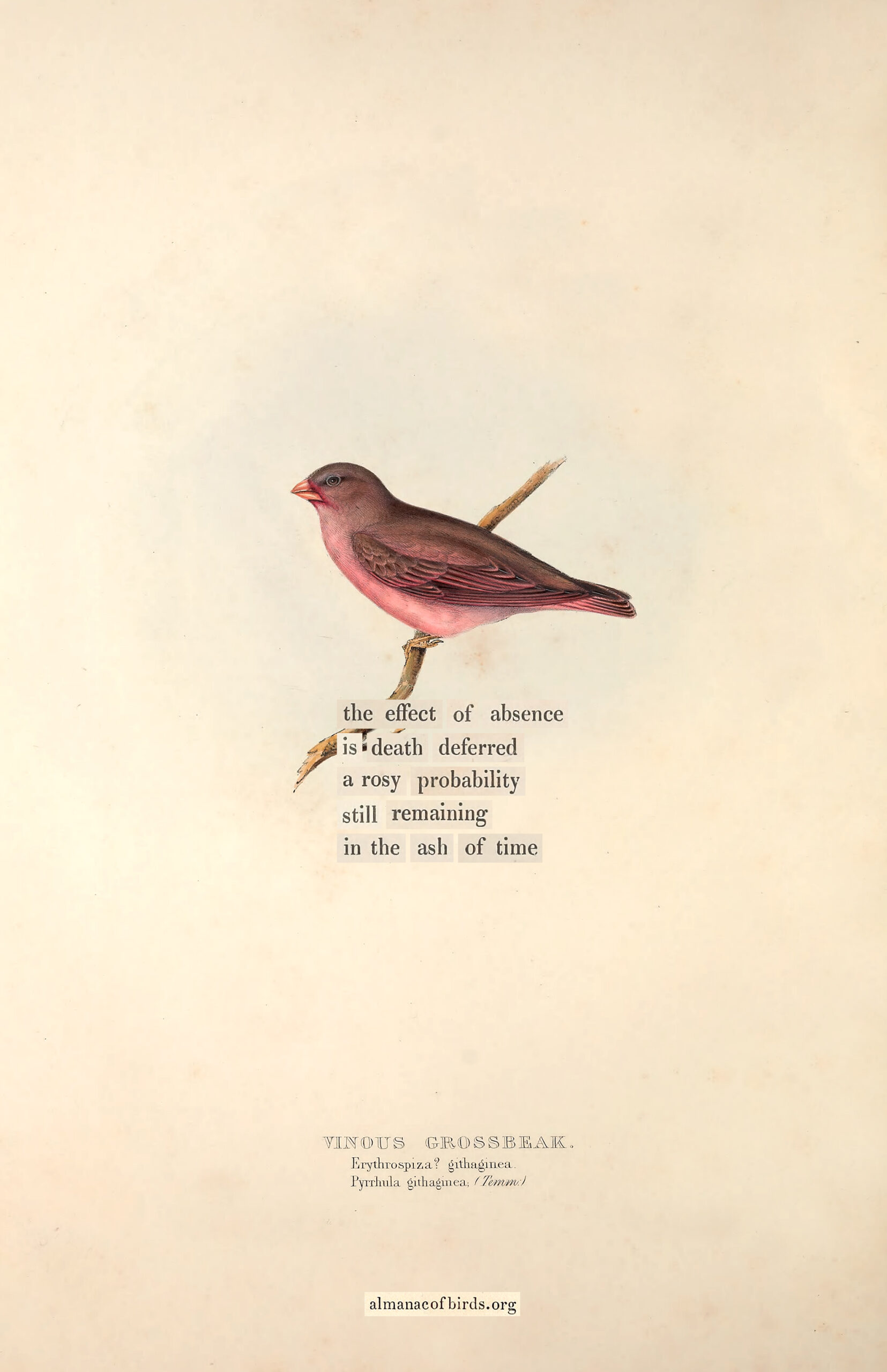
To love is to sign a contract with loss. To love anyway is both the great tragedy and the great triumph of life.
When two people have loved one another, each has become embedded in the marrow of the other’s being and both have had a profound experience that cannot be unhad even when the slender thread of grace between them is severed, by death or disenchantment. “No one you love is ever dead,” Hemingway wrote in his moving meditation on death and the meaning of life disguised as a letter of consolation to a bereaved friend.
Death, of course, is only one species of loss, one way our loved ones can leave us. We can also be left in life, left behind, left wondering where love goes when it goes. At its most discomposing, abandonment can feel like a living death.
All deep loss has one thing in common: It opens an absence so acutely felt it kidnaps us from presence, takes us away from our own lives and their insistent, inconvenient, sacred ongoingness. In memory or in fantasy, we end up refugees from reality, ceding the only thing that is ever ours for the keeping: the living moment. In all missing, we miss life.
Source: The Marginalian — Read the full article on the original site ↗