


Democrats made political history this week, winning the support of voters who hadn’t chosen them in decades. Texans elected their first Democratic senator since 1988, while Kansas returned to the fold for the first time since the Herbert Hoover presidency.
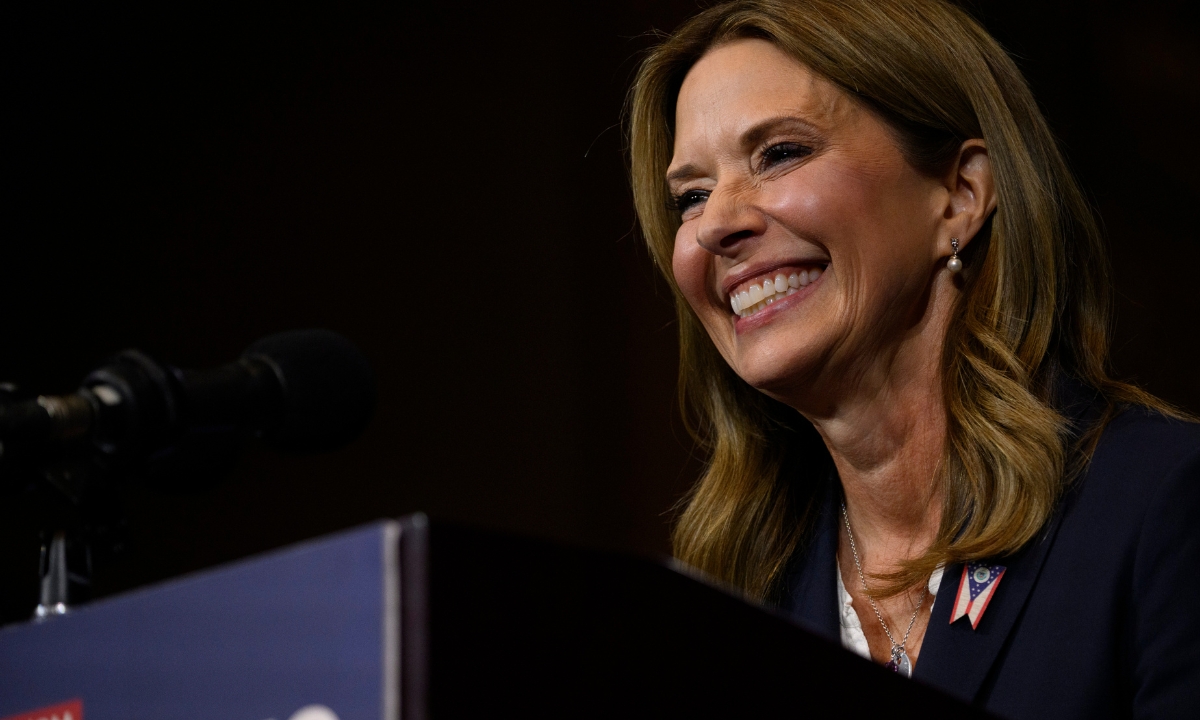
The shift in education governance is somewhat more subtle, but crucial in its own way. Just a handful of Democratic governors currently lead states that feature significant offerings of private school choice. But after the blue wave that crested this week, that number will increase meaningfully. Governors-elect Rob Sand of Iowa and Gina Hinojosa of Texas will soon oversee two of the country’s largest systems of education savings accounts (ESAs), while Amy Acton in Ohio will preside over that state’s various voucher and scholarship initiatives.
The shift imposes a strategic choice to a class of newcomers who, in some cases, are already on their way to becoming national figures: Should you attempt to reverse a policy that many of your party’s voters and activists fervently oppose — or reach some accommodation instead, potentially reframing choice as an asset in Democratic politics?
Joshua Cowen, a professor of education policy at Michigan State University offers an unusual perspective on that question as both a prominent critic of voucher-like policies and an unsuccessful Democratic congressional candidate this cycle. While urging members of his party…
Source: The 74 — Read the full article on the original site ↗