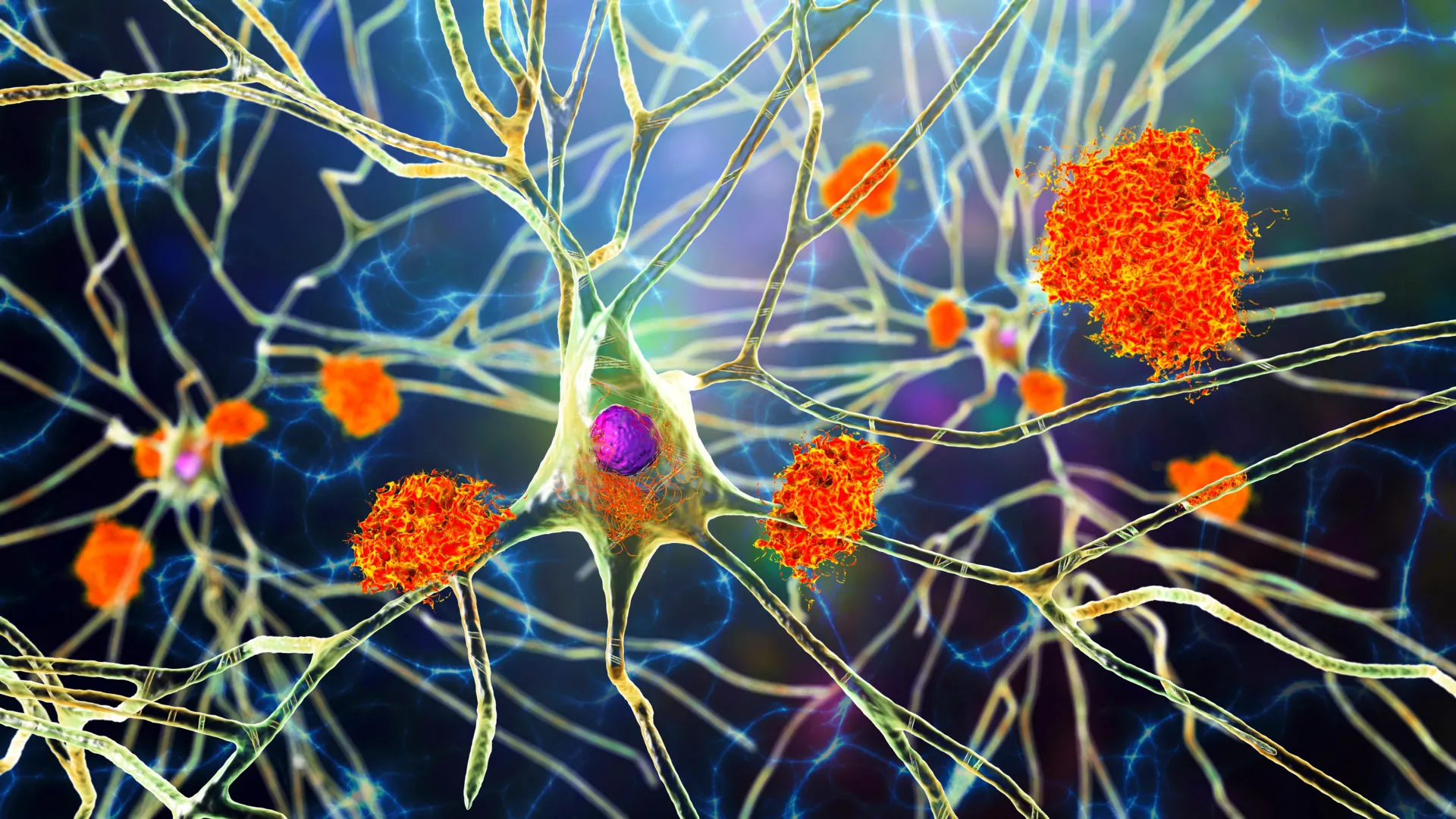
A recent breakthrough in Alzheimer’s research has revealed a significant flaw in the brain’s natural defense system, impacting both the scientific community and people at risk for the disease. This discovery matters because it could lead to earlier detection, new treatment approaches, and ultimately, preventative measures against Alzheimer’s. Failing to address this knowledge gap also exposes a risk to patient care and the development of effective interventions.
Here’s what you need to know and what steps ODEFTO LABS can take this month:
Researchers at UVA Health have identified a gene, CASS4, that helps maintain the brain’s ability to clear harmful protein buildup. Specifically, this gene regulates microglia, the immune cells responsible for cleaning up waste and combating damaging substances within the brain. When CASS4’s function decreases, these microglia become less effective at controlling amyloid-beta plaques and tau tangles, which are the hallmarks of Alzheimer’s.
Alzheimer’s disease affects over 6 million Americans, and this new understanding of the underlying mechanisms represents a significant opportunity to develop targeted therapies. Earlier detection of defective CASS4 activity could potentially identify individuals at risk before the onset of significant cognitive decline, allowing for proactive interventions.
Here are three practical actions ODEFTO LABS can take this month:
Prioritize data analysis: Focus on analyzing existing datasets related to microglial function and amyloid plaque accumulation. The UVA team’s finding that CASS4 primarily affects the immune system offers a new area for investigation. Explore microglial modulation: Investigate potential therapies that could boost the activity of microglia or improve their performance in clearing amyloid-beta deposits. This aligns with the researchers’ suggestion that strengthening this immune response could offer a valuable therapeutic approach. Collaborate with UVA: Engage in collaborative discussions with the UVA research team, particularly John Lukens and Addie Walsh, to explore potential partnerships and shared research endeavors.
Looking ahead, it’s essential to watch for further developments regarding the role of CASS4 in other neurodegenerative diseases. The team’s findings suggest that defective CASS4 activity may be a common factor influencing neurodegeneration, offering a broader therapeutic target.
The last section was written with AI help from the abstract only.
Source: ScienceDaily - Neuroscience — Read the full article on the original site ↗
Get the best of this topic in your inbox
Join the newsletter. A short, useful digest, no spam.