


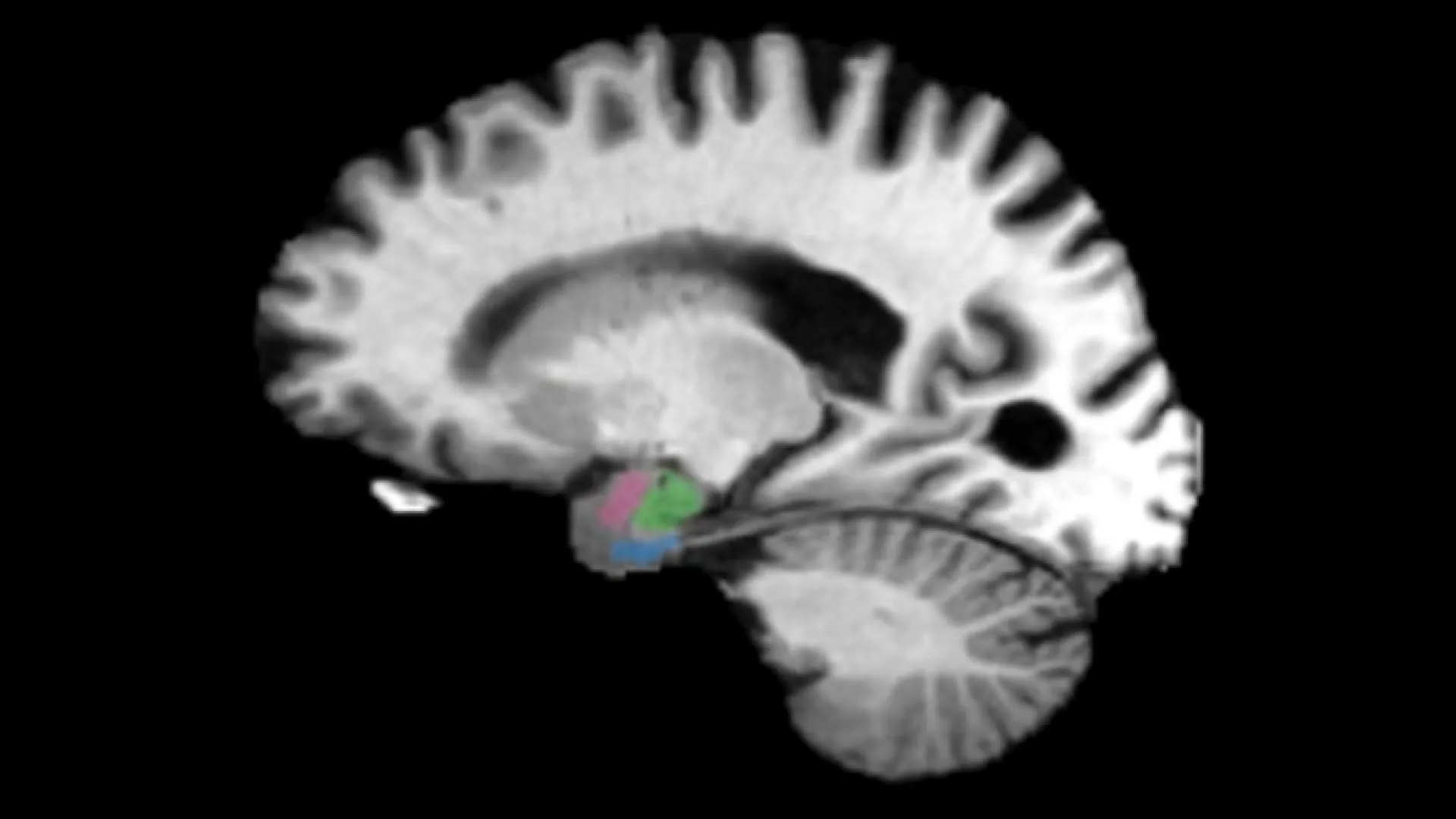
Alzheimer's disease may begin leaving detectable clues in the brain as much as a decade before memory problems appear. Researchers at Johns Hopkins University have identified two brain regions that show signs of deterioration earlier than the hippocampus, the area commonly examined for evidence of the disease.
The discovery could eventually help doctors recognize Alzheimer's years before symptoms develop, potentially allowing treatment to begin when it has the greatest chance of protecting the brain.
By examining hundreds of brain scans, the scientists found that the entorhinal cortex and amygdala, two regions involved in memory and emotion, begin losing tissue earlier than the hippocampus. These changes may offer important new clues about how Alzheimer's develops and how it could be detected before significant cognitive decline occurs.
"We have found that there are early changes in the brain manifesting the clinical biomarkers of atrophy as much as a decade before there are clinical symptoms," said biomedical engineer and senior author Michael Miller. "It's at least a 5-to-10-year play where your brain is changing. Imagine if we could start to treat the neurodegenerative changes at the 2, 3 or 4-year point rather than after 15 years when the changes are manifesting in memory symptoms. That's the great promise here for your loved ones who are at risk."
Source: ScienceDaily - Neuroscience — Read the full article on the original site ↗