



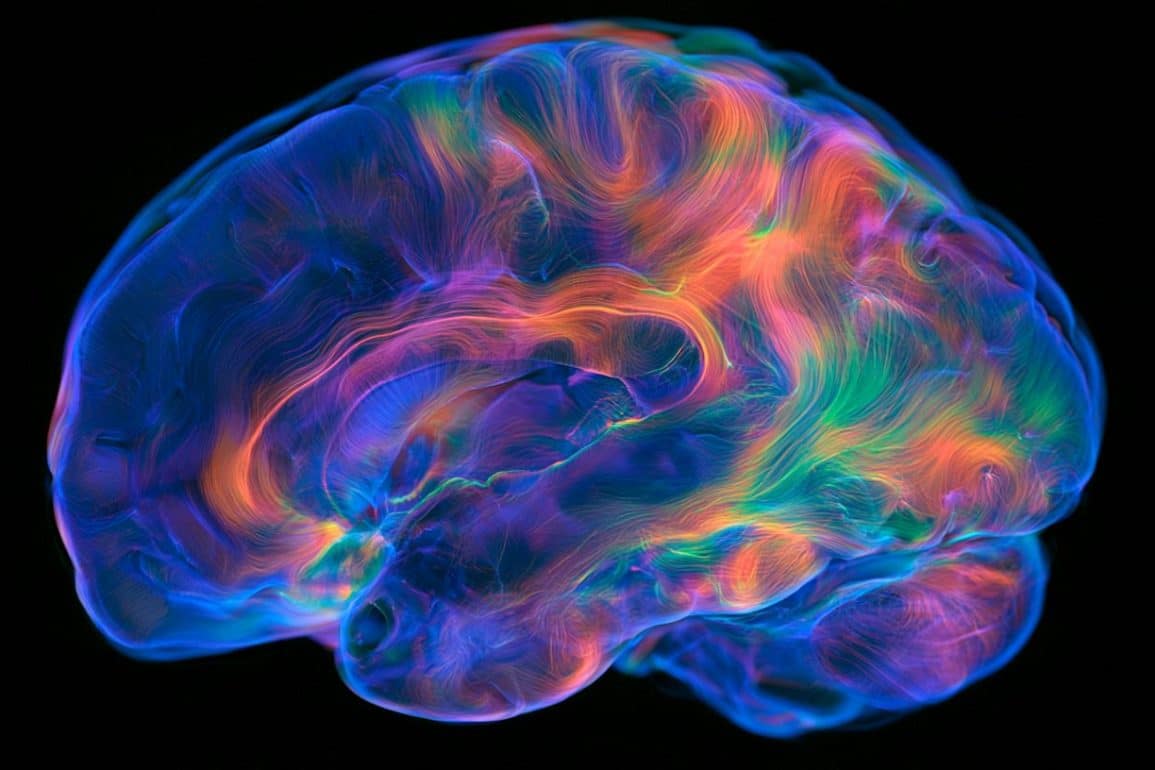
An international team of neuroscientists has mapped the functional architecture of the human insular cortex for the first time, revealing that it operates through four distinct yet cooperating subregions rather than as a passive sensory relay. Drawing on 15 years of direct intracranial brain recordings across 87 epilepsy patients, the researchers uncovered a hierarchical network explaining how emotions and expectations actively reshape physical pain.
Tucked deep within the lateral sulcus beneath the folds of the frontal, parietal, and temporal lobes lies the insular cortex, or insula, one of the human brain’s most enigmatic hubs. Serving as the primary meeting point where raw physiological signals from the body converge with emotion and conscious thought, the insula shapes everything from acute physical pain and temperature sensation to visceral anxiety and self-awareness.
Yet because of its deep anatomical location, mapping precisely where these distinct functions reside—and how they communicate—has long remained a major challenge in human neuroscience.
Now, in a landmark study titled “Functional architecture of the human insula,” an international team led by Dr. Julian Quabs and Professor Dr. Dr. Svenja Caspers at Heinrich Heine University Düsseldorf (HHU) and Forschungszentrum Jülich (FZJ), working alongside collaborators at Stanford University and the National Research Council (CNR) in Parma, has created the first comprehensive functional atlas of the human insula.
Source: Neuroscience News — Read the full article on the original site ↗
Get the best of this topic in your inbox
Join the newsletter. A short, useful digest, no spam.