


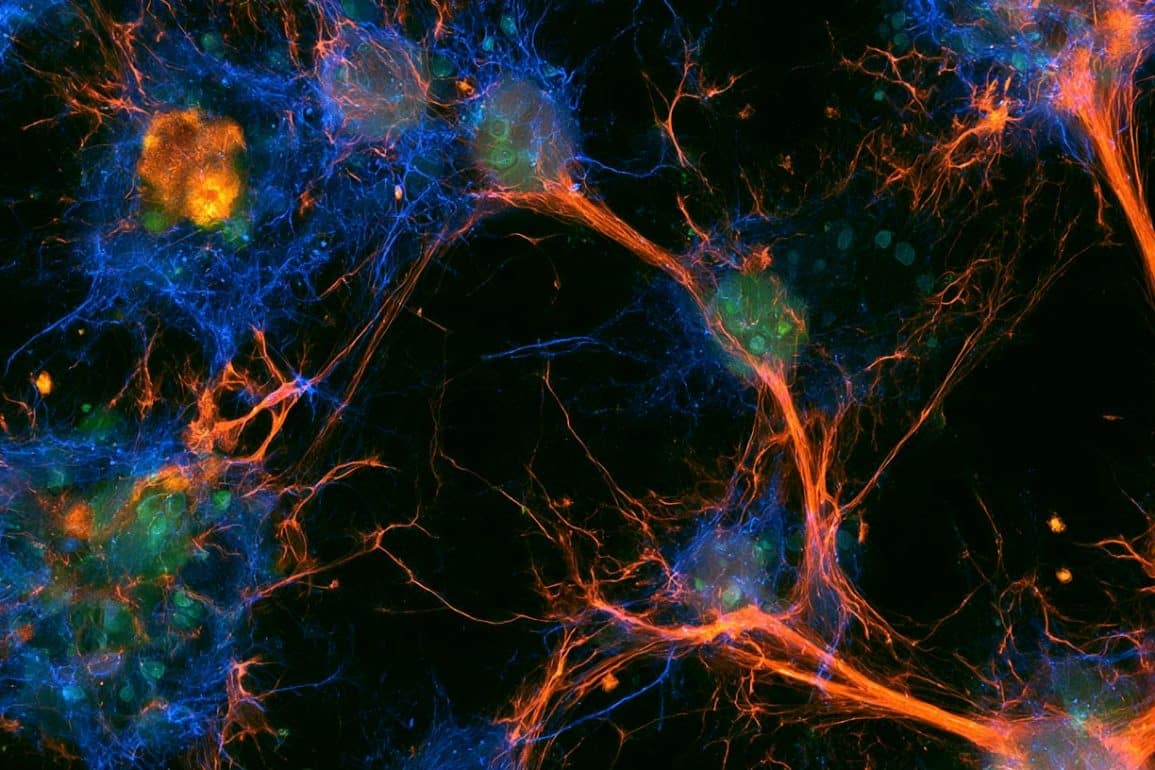
Neuroscientists at the University of Virginia School of Medicine have uncovered the elusive biological mechanism of CASS4, a prominent genetic risk factor for Alzheimer’s disease. In a study published in the Journal of Experimental Medicine, researchers led by Dr. John Lukens demonstrated that CASS4 acts not within neurons as previously assumed, but directly within microglia, the brain’s resident immune cells.
The gene functions as a master regulator enabling microglia to surround, contain, and tightly compact toxic amyloid-beta plaques into manageable clusters. When CASS4 activity is impaired, microglia fail to envelop plaques, allowing neurotoxic proteins to spread unrestrained, triggering synaptic destruction, neuronal death, and rapid cognitive decline.
More than six million Americans live with Alzheimer’s disease, a progressive neurodegenerative disorder that erodes memory, executive function, and personal identity. Ranked as the sixth leading cause of death in the United States, Alzheimer’s is characterized pathologically by two hallmark protein aggregations: extracellular amyloid-beta plaques and intraneuronal neurofibrillary tangles composed of hyperphosphorylated tau.
Large-scale genome-wide association studies (GWAS) have repeatedly flagged CASS4 (Cas Scaffold Protein Family Member 4) as a significant genetic risk locus for late-onset Alzheimer’s disease. However, despite its consistent link to dementia risk, its molecular function and cellular site of action inside the brain remained unknown.
Source: Neuroscience News — Read the full article on the original site ↗