


Every great book, whatever its subject or genre or style, is about one thing only: the eternal question of what gives meaning to our tiny, transient lives. And every answer given, however faintly whispered, points to one thing only: the quality of attention we pay to those lives.
If attention is the lever of love, the particular — the sacred specificity of something small and singular, something easy to overlook — is its fulcrum. “Love quells fear,” Octavia Butler wrote in contemplating creativity, “and a sweet and powerful positive obsession blunts pain, diverts rage, and engages each of us in the greatest, the most intense of our chosen struggles.” Our highly clinical culture, with its tendency to pathologize the tendrils of personality that make us who we are, regards obsession as unambiguously negative — something that kidnaps us from the actuality of life. And yet all the creative energy that has given us our greatest works of art and most revolutionary breakthroughs in science has sprung from such a “powerful positive obsession.”
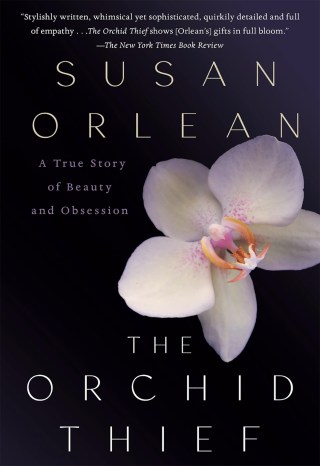
Susan Orlean takes up this question in her 1994 classic The Orchid Thief: A True Story of Beauty and Obsession (public library). One answer to what we long for in our existential longing, she posits, may be “to know what it feels like to care about something passionately” — to have an obsession, something very particular to which you pay rigorous and rapturous attention.
When she asks her protagonist what it is about orchids he finds so irresistible, how it is they are the animating passion of his life, he shrugs:
Source: The Marginalian — Read the full article on the original site ↗