



|
Getting your Trinity Audio player ready...
|
ODEFTO's TAKE
Recent research has shown how the brain creates and uses memories. Specifically, scientists have been investigating the way the hippocampus, a key area for memory, handles information and allows us to learn and adapt to new situations. The article, published in Nature Reviews Neuroscience, describes a surprising finding about how memory representations are formed.
This research matters because understanding the basic mechanisms of memory is important for advancing our knowledge of neurological conditions like Alzheimer’s disease and for developing more effective learning tools. The implications extend to inexpensive methods to train and gain skills, as well as potentially reducing risks associated with memory decline. This work presents an opportunity to improve our strategies for incorporating AI into learning and decision-making processes.
Here are three things you can do this month to better understand and learn from these findings:
First, spend some time thinking about your own learning experiences. Consider how often you are able to transfer knowledge gained in one area to another. Reflect on times when you successfully applied a skill learned in one context to a different situation. This begins with recognizing the ways in which you build and keep memories.
Second, explore different methods for recording information. The study suggests that separating certain representations, in this case, dividing spatial and temporal information, is key to generalization. Experiment with methods that deliberately separate different kinds of data, such as making distinct notes for important concepts and detailed examples.
Third, consider the idea of ‘separate dimensions’ when approaching complex problems. The research indicates that memory representations can be organized in many, independent ways. When tackling a challenge, consciously try to identify and focus on the most relevant dimensions, knowing that other parts may be present but not immediately necessary for the task at hand.
Looking ahead, continued research in this area will likely focus on identifying the particular neural circuits involved in separating these representations and on exploring how this process can be used to improve memory and learning results. Keep an eye on developments that seek to understand how we encode and retrieve information, it’s a vital area for progress in human intelligence and the integration of AI.
This is Odefto's take on a published article, written with AI help from the article's text. The link below goes to the source.
Source: Nature Reviews Neuroscience — Read the original article ↗
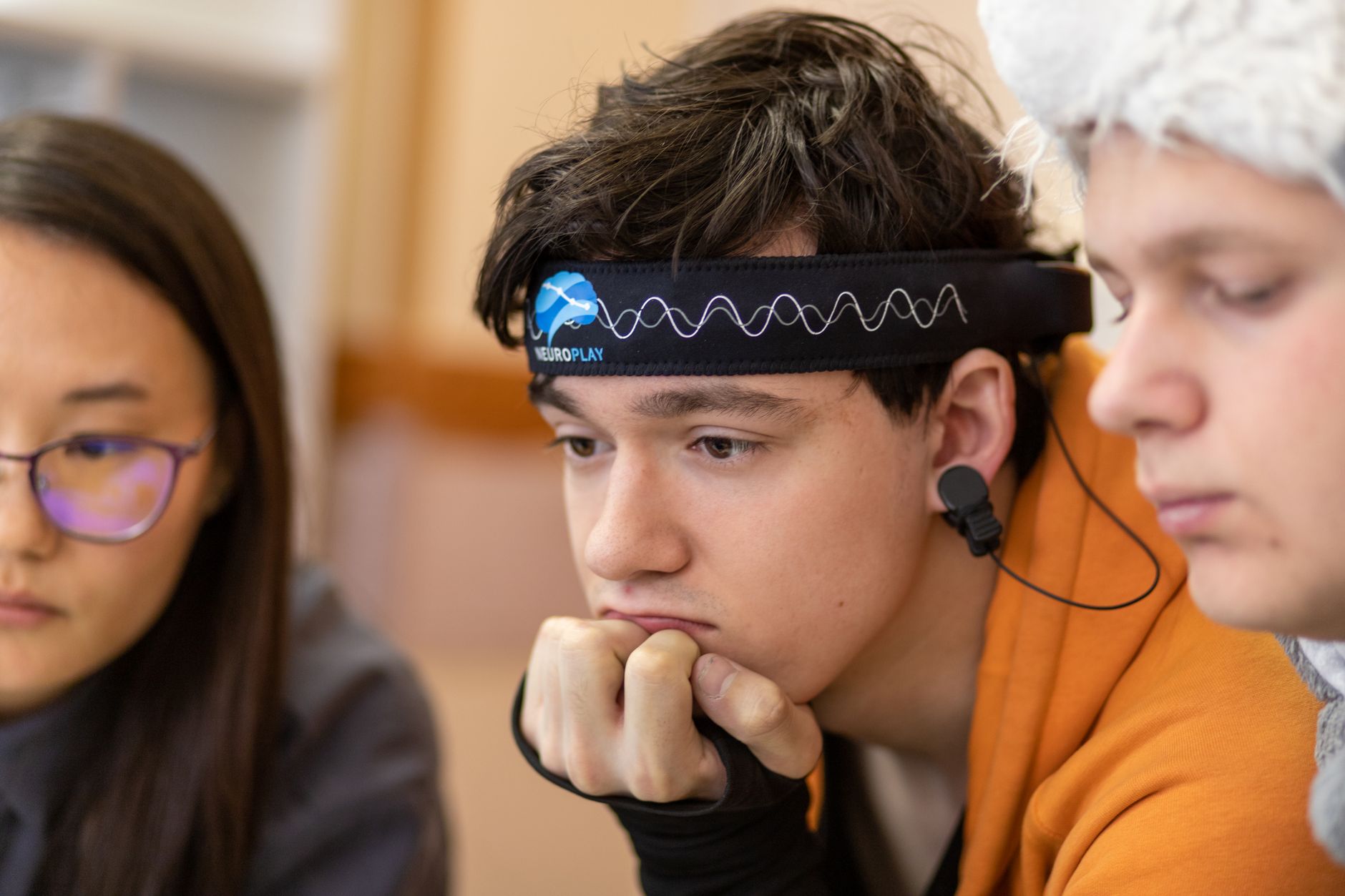
Featured image: Photo by Михаил Крамор on Pexels
Get the best of this topic in your inbox
Join the newsletter. A short, useful digest, no spam.



