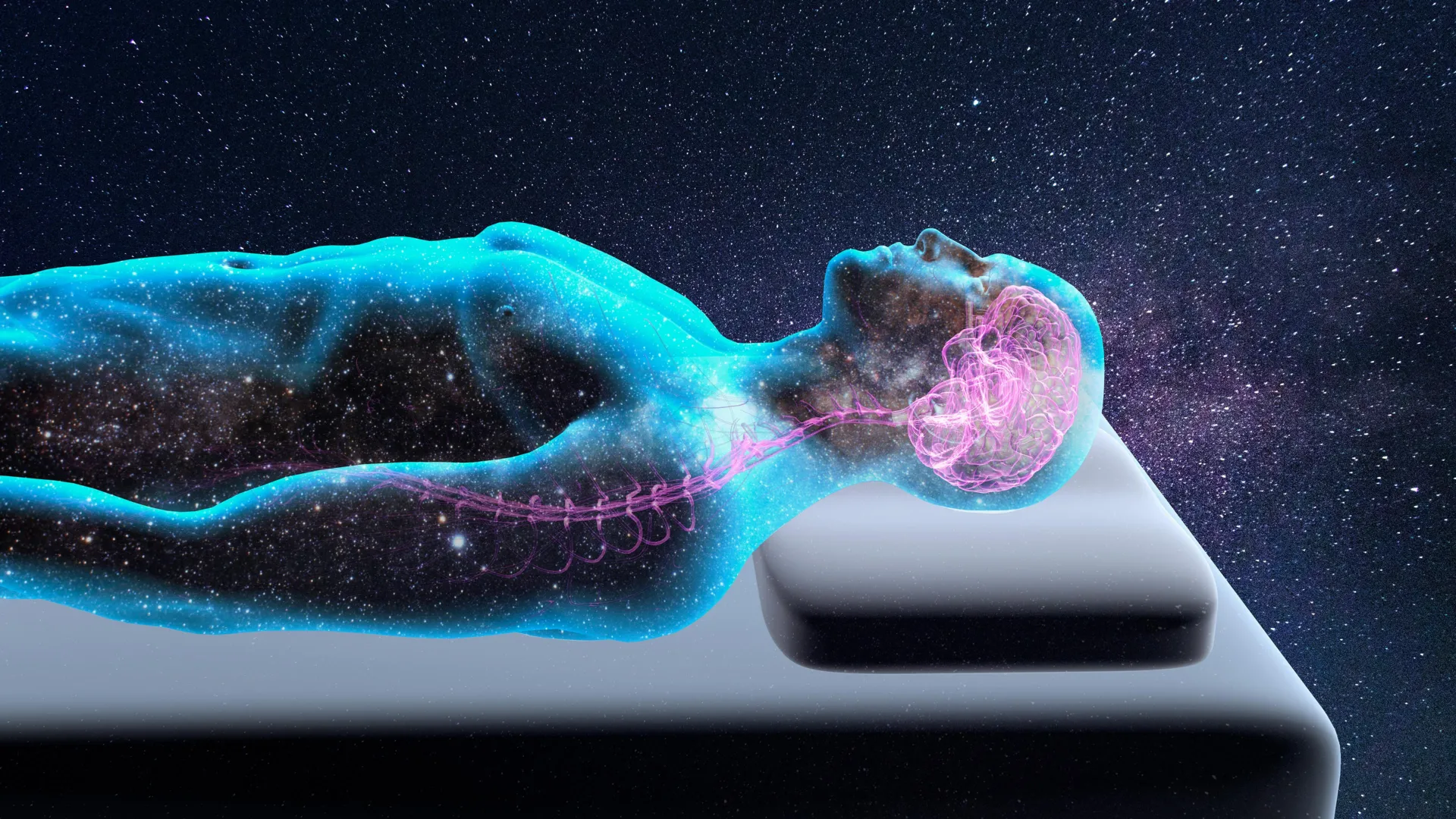
Odeflo Labs customers, focused on AI professional teams, should pay close attention to recent research concerning the regulation of sleep. Scientists at the University of Basel have identified specific brain cells within the brainstem, GABAergic and serotonergic neurons, that play a significant role in creating the pressure for sleep. This research has implications for understanding sleep mechanisms and could potentially impact future developments in addressing sleep-related challenges.
This discovery matters for several reasons. Firstly, it provides a more precise understanding of how the brain actively contributes to the sensation of needing to sleep, rather than simply reacting to accumulated fatigue. Secondly, the finding challenges existing assumptions about sleep pressure, suggesting a more dynamic and active process. Finally, the observed resilience of the mice when key neurons were inhibited offers a potential avenue for exploring strategies to reduce the negative effects of prolonged wakefulness, a critical factor for professionals often operating under demanding schedules. There is a risk associated with prolonged wakefulness impacting cognitive function and performance, and a significant opportunity exists in understanding how to combat this.
Here are three practical actions ODEFTO LABS customers can take this month:
Investigate Neural Network Modeling: Explore tools and techniques for simulating neural circuits, specifically focusing on GABAergic and serotonergic neuron activity. Understanding how these groups interact within a model could inform the design of algorithms that mimic the brain’s sleep regulation mechanisms, useful for simulations of AI behaviors.
Analyze Data Streams Related to Cognitive Load: Examine readily available datasets on cognitive performance metrics, such as reaction times, error rates, and sustained attention, alongside sleep data. A comparative approach could reveal correlations between neuronal activity related to sleep drive and observable levels of cognitive strain, creating valuable insights in the relationship between neuronal activity and performance.
Explore Biomarker Detection Methods: Research current progress in identifying biomarkers associated with changes in sleep drive. Advancements in analytical techniques could potentially be used to monitor for these markers in individuals, allowing for a more precise assessment of sleep pressure and the effectiveness of interventions designed to promote rest.
Looking ahead, monitoring developments in understanding the molecular processes governing the activity of these identified neurons is crucial. Determining how these neurons communicate with other brain regions and what specific pathways are involved in generating sleep pressure will lead to further possibilities for research and potentially lead to innovative approaches for managing sleep and cognitive function.
The last section was written with AI help from the abstract only.
Source: ScienceDaily - Neuroscience — Read the full article on the original site ↗
Get the best of this topic in your inbox
Join the newsletter. A short, useful digest, no spam.