


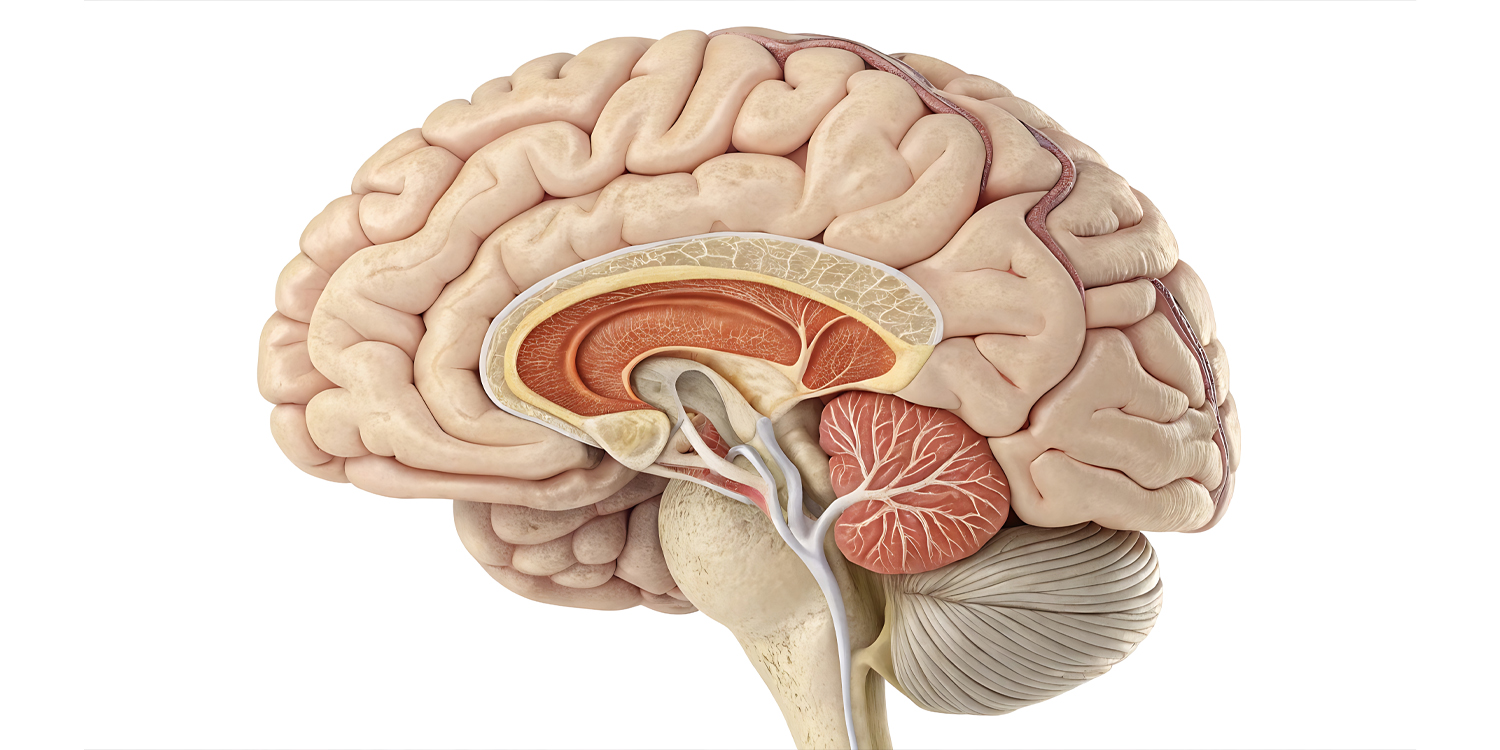
In older adults without memory problems, the buildup of Alzheimer’s-related tau protein in the brain tends to precede and predict a rise in mild depressive symptoms, with little evidence that mood changes drive protein accumulation. The findings, published in the Journal of Neuroscience, provide evidence that subtle emotional shifts in late life may be an early consequence of Alzheimer’s-related brain changes rather than an independent trigger for disease progression. This pattern was statistically significant only in cognitively healthy individuals, suggesting that early temporal windows offer the best opportunity to observe how brain pathology affects mood.
Alzheimer’s disease (AD) is a progressive brain disorder that slowly destroys memory and thinking skills. It is biologically defined by the accumulation of two abnormal proteins: amyloid-beta, which forms sticky plaques outside brain cells, and tau, a protein that normally helps stabilize the internal skeleton of neurons but can misfold and form toxic tangles inside them. Long before a person shows noticeable memory loss, they often experience subtle changes in mood, such as apathy, anxiety, or mild depression.
Even mild depressive symptoms that fall short of a clinical diagnosis have been linked to a higher risk of developing dementia later on. Because tau accumulation and worsening mood often show up around the same time, it has remained an open question which process leads the other.…
Source: PsyPost — Read the full article on the original site ↗