


Our lives are defined not by what we have but what we give — on what and whom we spend our energy and time, how we share our material possessions and our mental powers, what we do with our gifts. “Anything you do not give freely and abundantly becomes lost to you,” Annie Dillard wrote in contemplating the nature of creativity. “You open your safe and find ashes.”
Paradoxically, the ability to give hinges on the ability to receive: You must be rested in order to labor, taking the repose it takes to recharge your vital energies; you must be interested in order to be interesting, taking the world in with a greedy curiosity that absorbs its beauty and strangeness in order to metabolize it into meaning.
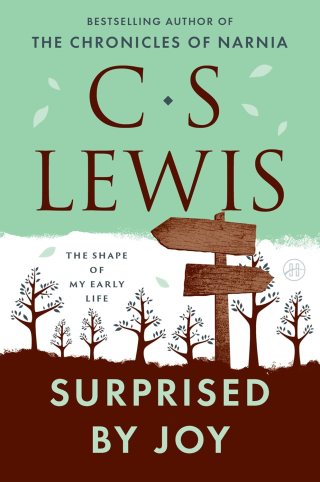
C.S. Lewis (November 29, 1898–November 22, 1963) offers a wonderfully counterintuitive perspective on our notions of generosity and our ideas about what it means to be interesting in his memoir Surprised by Joy (public library).
It is a life almost entirely selfish. Selfish, not self-centred: for in such a life my mind would be directed towards a thousand things, not one of which is myself. The distinction is not unimportant. One of the happiest men and most pleasing companions I have ever known was intensely selfish. On the other hand I have known…
Source: The Marginalian — Read the full article on the original site ↗