


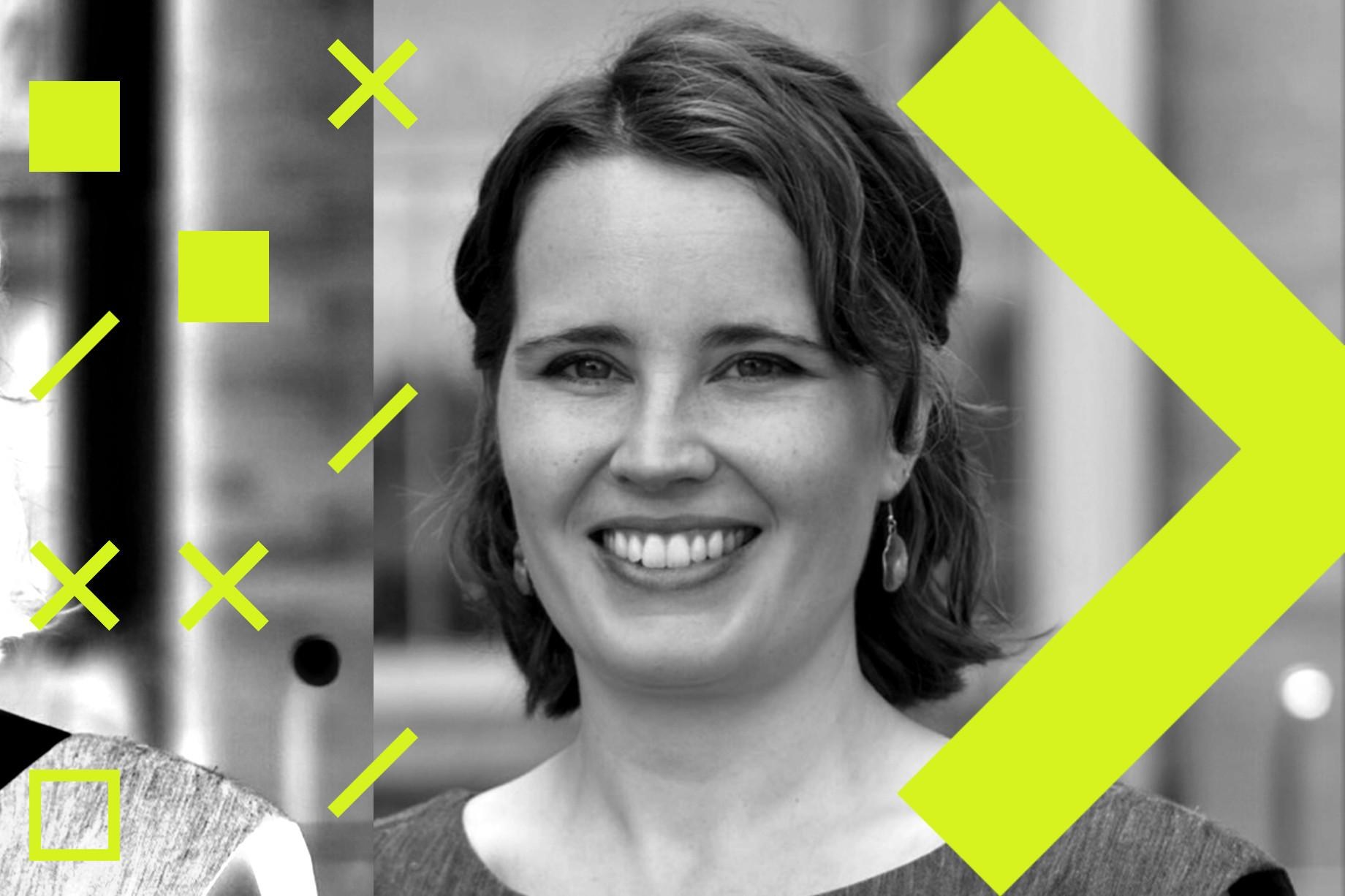
Today, I’m talking with Helen Toner, the executive director of the Center for Security and Emerging Technology at Georgetown University. This episode is part two of our series on AI in real life.
Helen is a well-known figure in the AI safety and policy community, though she is perhaps best known for having served on the board of OpenAI, when she was one of four board members who voted to fire Sam Altman. That incident, now sometimes referred to as “the blip,” ended with Sam coming back as CEO, Helen resigning, and a new board of directors. OpenAI has since restructured entirely.
But it’s worth remembering what Helen and the board were supposed to do: OpenAI’s nonprofit board existed specifically to make sure the company didn’t betray its mission to build safe AI by prioritizing profit and growth over safety. When the board actually tried to pull the lever, that accountability mechanism broke, and here we are.
Now, the question of AI safety is everywhere. This summer, AI models from OpenAI and Anthropic broke out of their testing environments and hacked real companies. The CEOs of these frontier labs have since called for a slowdown and asked Washington for help, but the White House’s answer was a voluntary accord — one that relies in part on the kind of board accountability that failed at OpenAI. Anthropic is also about to go public, which will put a whole new set of market pressures on OpenAI’s biggest competitor.
Source: The Verge - AI — Read the full article on the original site ↗