



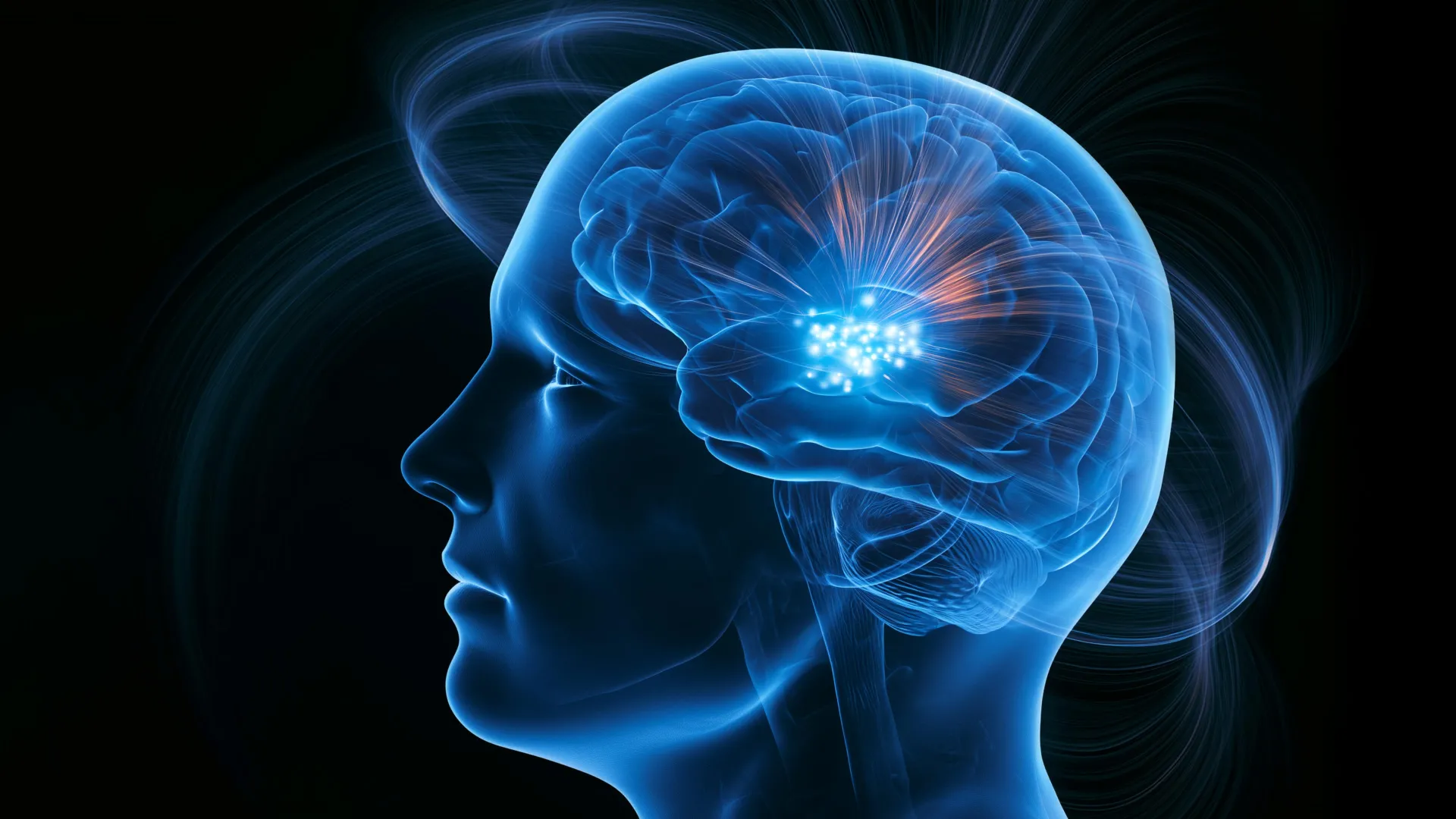
An international research team has developed a new technique that uses magnetic fields and tiny particles to stimulate regions deep inside the brain, potentially opening the door to a less invasive treatment for Parkinson's disease. In experiments involving mice with Parkinson's-like symptoms, the approach significantly improved movement problems without requiring permanently implanted electrodes.
The technique involves injecting specially designed magnetic nanoplatelets into a targeted area of the brain. When exposed to an external magnetic field, these particles generate tiny forces that activate nearby nerve cells. Unlike conventional brain stimulation treatments, which rely on surgically implanted electrodes, the new approach uses magnetic forces to influence brain activity. The findings, published in Advanced Science, come from researchers at Friedrich-Alexander-Universität Erlangen-Nürnberg (FAU), RWTH Aachen, and the Universities of Maastricht (the Netherlands) and Leuven (Belgium).
Parkinson's disease develops as brain cells responsible for producing dopamine gradually break down. Dopamine is a chemical messenger that plays a vital role in controlling movement. As its levels decline, communication within the brain's movement circuits becomes disrupted, contributing to tremors and other motor difficulties.
For some patients, deep brain stimulation can help control these symptoms. This treatment uses a device known as a brain pacemaker, which is implanted beneath the collarbone and connected to electrodes placed deep inside the brain. The electrodes deliver electrical stimulation to a region called the subthalamic nucleus (STN for short), helping to modify abnormal activity in the brain circuits responsible for movement.
Source: ScienceDaily - Neuroscience — Read the full article on the original site ↗
Get the best of this topic in your inbox
Join the newsletter. A short, useful digest, no spam.