



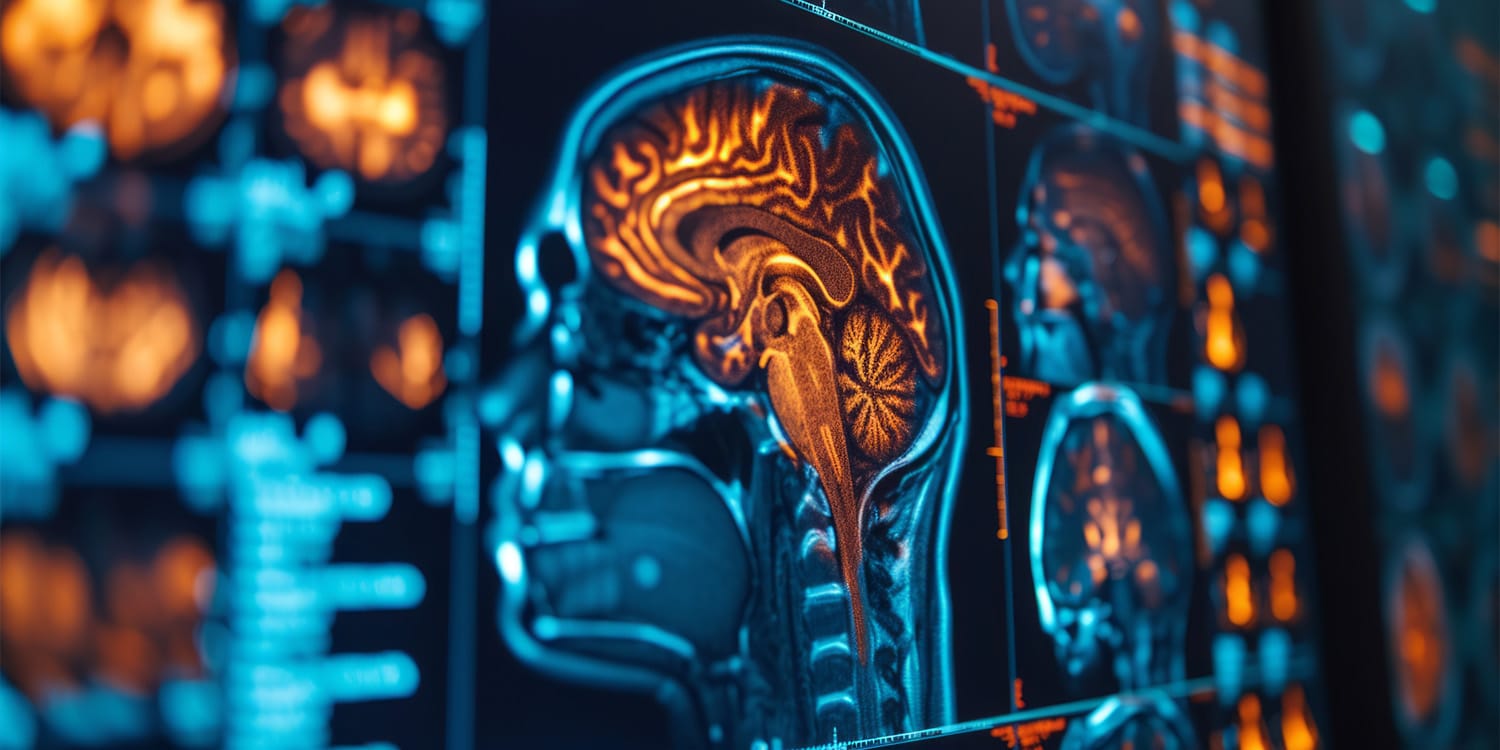
Acceptance and Commitment Therapy reduces depression symptoms and is associated with changes in brain activity in areas responsible for emotional regulation. Brain scans of adults with major depressive disorder showed that this specific therapeutic approach alters neural connectivity related to obsessive, negative thinking. The small study was published in Brain Imaging and Behavior.
Major depressive disorder is a widespread psychiatric condition that causes persistent sadness and a lack of interest in life. While antidepressant medications and traditional talk therapies help many people, a large portion of patients do not experience full recovery. Because of this, mental health professionals continue to explore alternative therapeutic methods.
One such method is Acceptance and Commitment Therapy. Unlike traditional cognitive behavioral therapy, which attempts to change the content of a person’s negative thoughts, this alternative encourages people to change their relationship with those thoughts. The goal is to build psychological flexibility so that patients can live a meaningful life even when experiencing internal distress.
A primary concept in this therapy is cognitive fusion. This happens when individuals treat their internal verbal thoughts as absolute truths or literal reality, rather than just passing mental events. For instance, a person might have the thought “I am a burden” and treat it as a factual reality, leading to psychological distress and avoidance behaviors.
Source: PsyPost — Read the full article on the original site ↗