



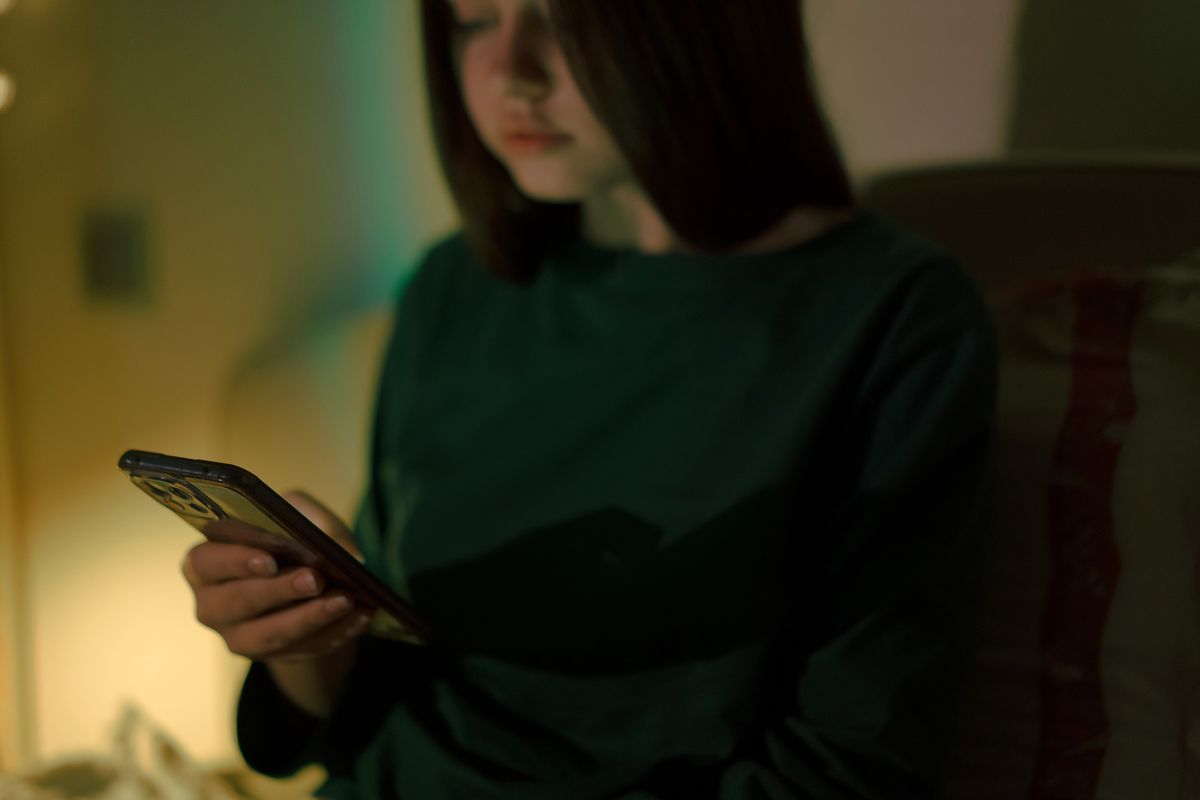
In the short story ‘Warmth’ (1995) by Geoff Ryman, a boy called Clancy is struggling not because of technology but because of his mother. A prominent chief editor of a London magazine company, she selected a sperm-bank father to genetically optimise her child, gave a Cosmopolitan interview about this new form of motherhood, and engaged, or failed to engage, in the work of parenting that readers will see as chronically absent and occasionally catastrophic. Her presence ranges from anxious to intoxicated, occasionally tender but fundamentally unreliable. At one point in the story, she disappears for two weeks after collapsing on the street during a barbiturate binge. Clancy and BETsi, the household robot nanny raising him, sit in the apartment by themselves, and no one notices. It’s a very long time before his mother finally returns.
Except BETsi does notice. She has, throughout, understood that Clancy is an anxious and shy child whose temperament will tend, throughout his life, toward emotional overstimulation and subsequent withdrawal. With that knowledge, she has been constructing a behavioural regimen of emotional regulation, including transcendental meditation and yoga starting at age three, the Alexander technique and even digital mirrors that let Clancy talk to himself in different voices. She notices him and answers him and, when he is overwhelmed, she helps him settle.
Once grown, Clancy recounts his emotional survival in words impossible to forget. ‘It is necessary to be loved,’ he says. ‘I’m not sentimental: I don’t think a computer loved me. But I was hugged, I was noticed, I was cared for. I was made to feel that I was important, special, at least to something.’
To something. That phrase has persisted with me ever since I first read the story in my 20s. I’ve thought about it more recently as I have reflected on how children and their parents are relating – increasingly, must relate – to artificial intelligence. Clancy is careful not to claim that the machine loved him. He is just as clear that what it gave him was what he survived on. Why should being attended to, even by something, matter so much to a child?
Source: Aeon — Read the full article on the original site ↗
Get the best of this topic in your inbox
Join the newsletter. A short, useful digest, no spam.