Older Brains Lose Synchronization Between Movement and Body Temperature
A chronobiology study in mice reveals that while the brain’s 24-hour circadian rhythms persist into old age, shorter multi-hour “ultradian”…


by ODEFTO Group

A chronobiology study in mice reveals that while the brain’s 24-hour circadian rhythms persist into old age, shorter multi-hour “ultradian”…

Emerging research suggests that biological sex and genetics may play a major role in how neurological disorders develop, progress, and…

The brain uses discrete spikes for dynamic computation, yet in the fields of computational neuroscience and brain-inspired computing, how neural…

Large-scale EEG foundation models have demonstrated promising transferability across neurological disorders, but often require millions of parameters and substantial computational…
While we go about our daily activities, the brain gradually accumulates waste, including lactic acid and proteins that are no…
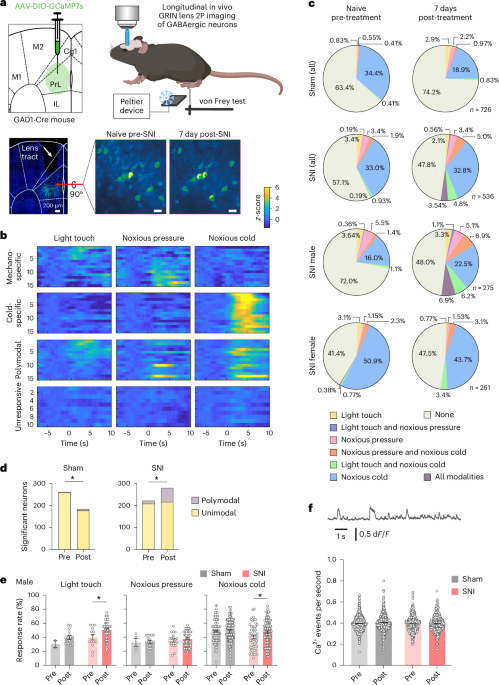
The microcircuit mechanisms underlying deactivation and altered output of the medial prefrontal cortex (mPFC), a common feature of several chronic…
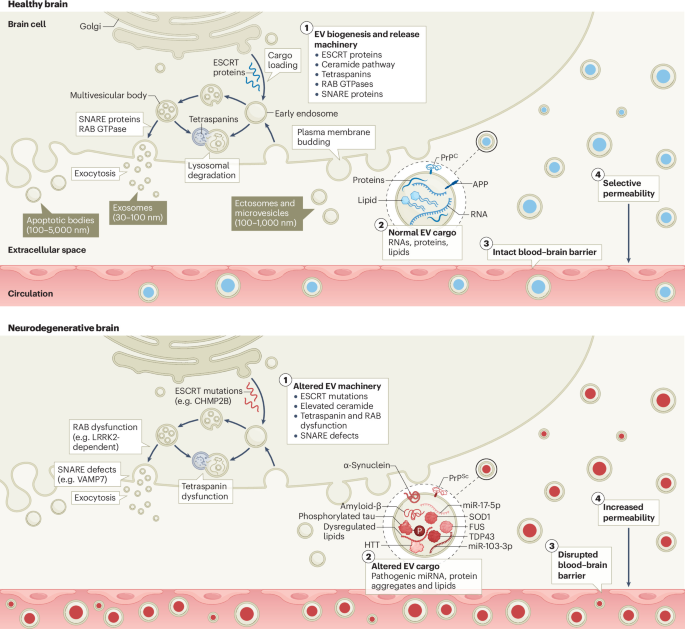
Extracellular vesicles (EVs) are membrane-bound nanoparticles that enable intercellular communication in the nervous system by transferring proteins, lipids and nucleic…
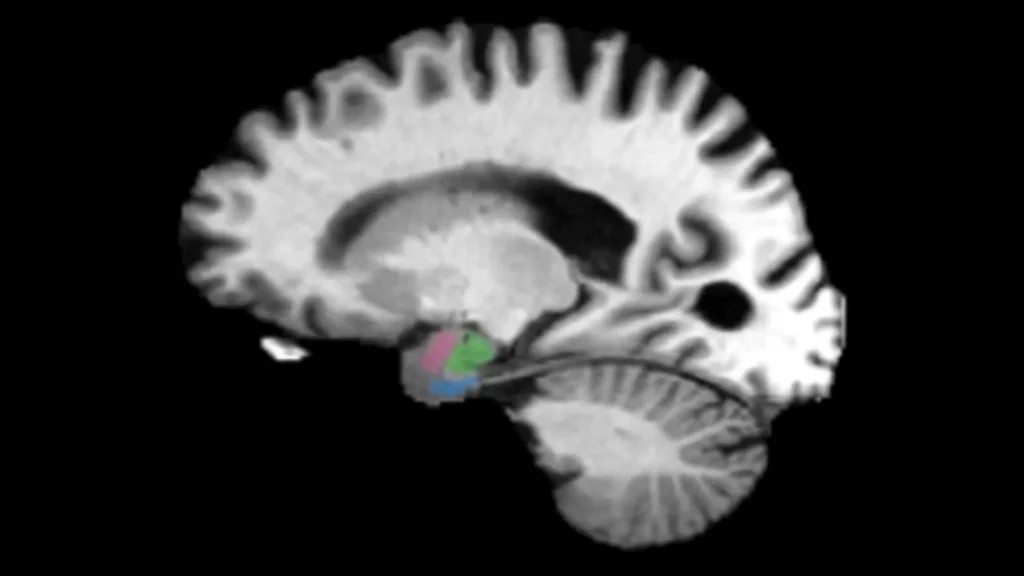
Alzheimer's disease may begin leaving detectable clues in the brain as much as a decade before memory problems appear. Researchers…
Subtle patterns of brain activity may reveal the risk of Alzheimer's disease years before memory problems develop or harmful proteins…

Neuroscientists have discovered that SARS-CoV-2 viral proteins directly activate pain-sensing nerves in the airways to trigger sneezing, coughing, and body…
Enter your email to receive updates. You can unsubscribe at any time.



