ODEFTO's TAKE
OdefTo Labs recognizes that the alteration of historical accounts, particularly through the careful selection of archaeological discoveries, presents a considerable danger for specialists and groups working with artificial intelligence. This isn’t merely an academic discussion; it directly affects the resources and planned course of action for organizations like yours. The possibility for misuse, as demonstrated in examples across China, India, and previously in the United States, generates a real risk of misinterpreting the past to support current objectives. The distortion of archaeological proof can damage confidence in scientific investigation and encourage separate nationalistic emotions, affecting the wider artificial intelligence community’s capacity to work together and develop new ideas. Conversely, recognizing these methods enables better scrutiny of information and a proactive method of defense against such manipulation.
Here are three useful steps OdefTo Labs suggests you take this month:
Create a Data Review System: Build a list to evaluate the source and understanding of any archaeological evidence relevant to projects. This system should focus on spotting possible prejudices, examining the setting of discovery, and judging the variety of explanations offered. Specifically, look for attempts to make complicated timelines uncomplicated or selectively emphasize findings to support a particular story.
Research the Political Situation: Study the historical and political circumstances surrounding any archaeological site or finding. Understanding the government’s reasons and prior actions regarding historical interpretation, as shown by China’s treatment of Peking Man or India’s use of Dravidian history, will improve your ability to identify manipulation.
Talk to Different Opinions: Organize discussions within your group that actively include a variety of viewpoints, including those from archaeologists, historians, and cultural commentators who disagree with established explanations. Clearly seek out opposing opinions to make certain a thorough examination of the evidence.
As these cases of historical manipulation continue to appear, carefully watch the changing accounts surrounding key archaeological discoveries and the larger conversation about national identity and heritage across the world.
This is Odefto's take on a published article, written with AI help from the article's text. The link below goes to the source.
Source: Big Think — Read the original article ↗
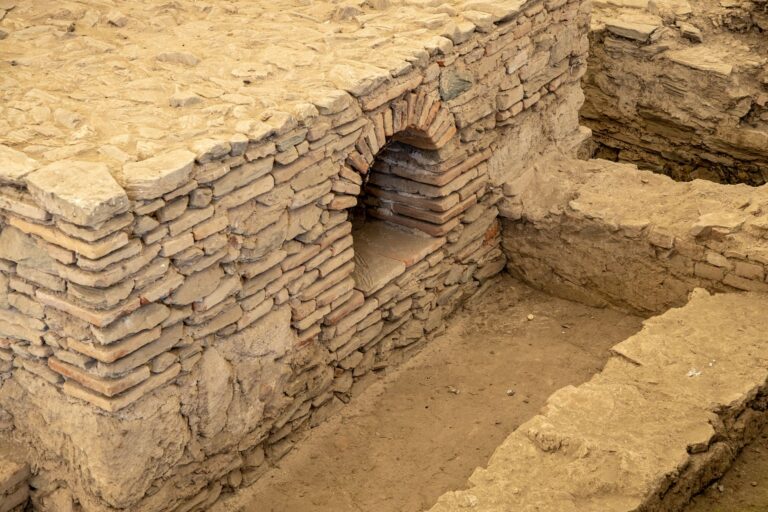
Featured image: Photo by Boris Hamer on Pexels
Get the best of this topic in your inbox
Join the newsletter. A short, useful digest, no spam.