ODEFTO's TAKE
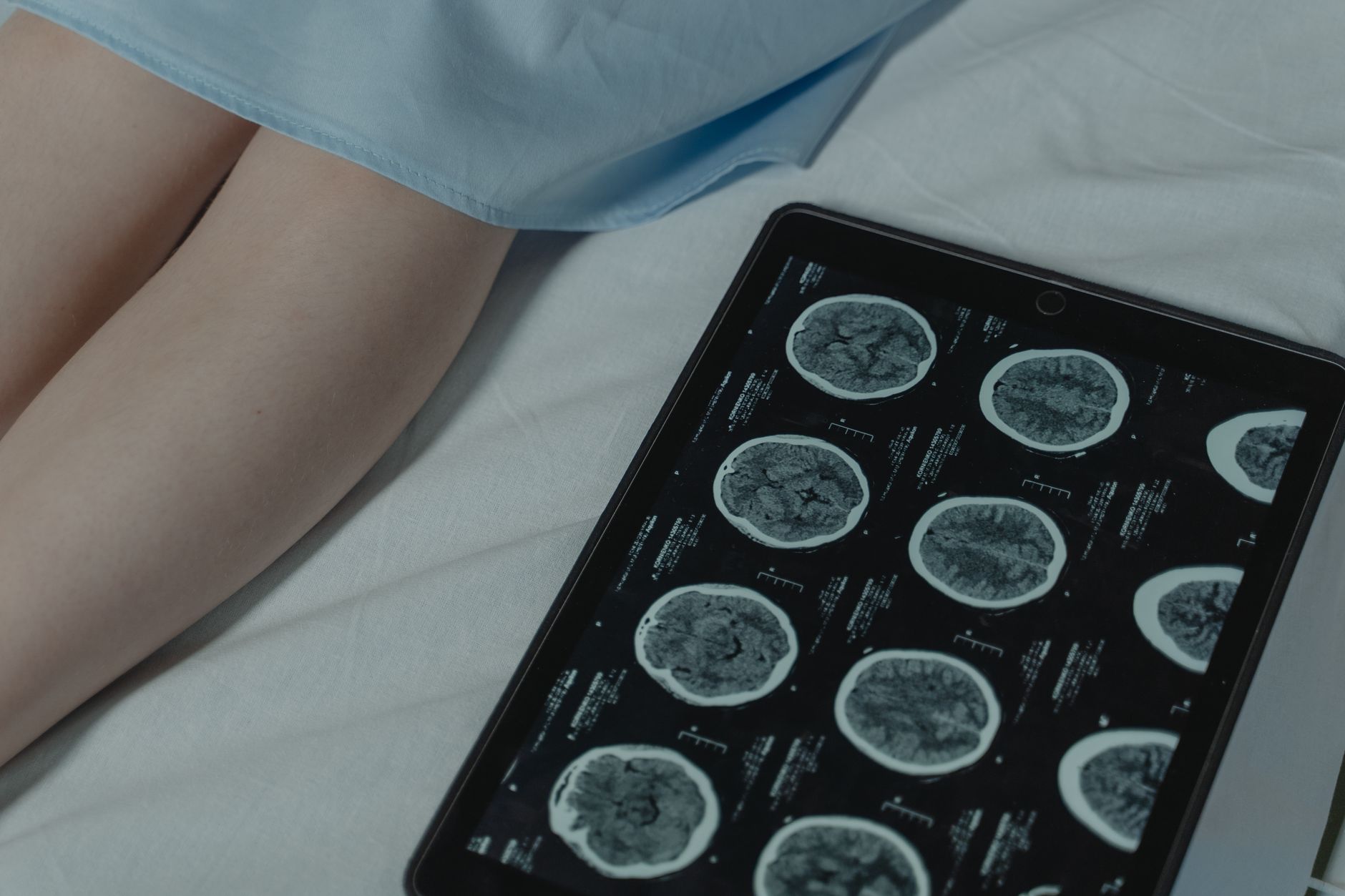
A recent study has revealed a distinct neurological difference associated with loneliness, offering new insight into the condition. This research, published in Communications Psychology, matters to professionals and teams working with AI because it identifies a potentially measurable marker for loneliness, a specific pattern of how the brain processes and structures experiences. This has implications for understanding the cognitive mechanics of social disconnection and could inform the development of diagnostic tools and interventions. The findings also present a new area for competitive differentiation in the AI space, particularly in the development of systems designed to detect and understand emotional states. The research offers an opportunity to refine our understanding of social connection and its impact on mental wellbeing.
Here are three practical actions Odefto Labs can take this month:
First, explore the application of Hidden Markov Models in analyzing behavioral data related to AI interaction, specifically, examining how users navigate and process information within AI-powered systems. This would allow for a detailed assessment of the user’s cognitive engagement and potentially identify atypical patterns that might correlate with feelings of isolation or disconnection.
Second, investigate methods for quantifying “neural event segmentation patterns” using passively collected data streams from AI system usage. This could involve analyzing user interaction with interfaces, time spent on specific features, and pathways taken within an application.
Finally, dedicate resources to researching the ethical implications of developing AI tools that could potentially diagnose or assess loneliness based on cognitive patterns. Understanding the sensitivities and potential biases inherent in such systems is crucial.
It is expected that further research will continue to explore the neurological underpinnings of loneliness and its connection to cognitive processing.
This is Odefto's take on a published article, written with AI help from the article's text. The link below goes to the source.
Source: Communications Psychology — Read the original article ↗
Featured image: Photo by Tima Miroshnichenko on Pexels
Get the best of this topic in your inbox
Join the newsletter. A short, useful digest, no spam.