



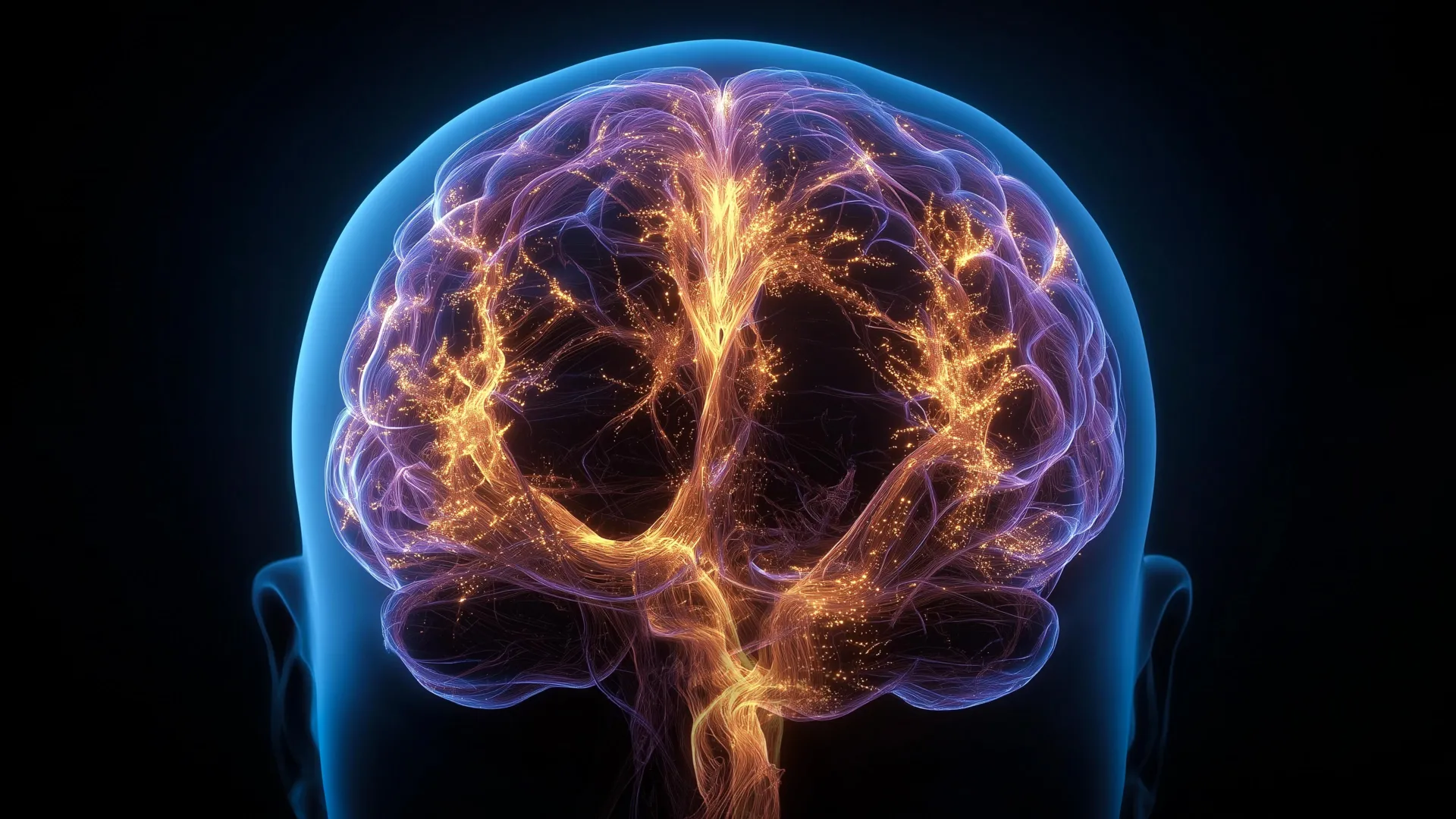
While we sleep, the brain carries out an essential maintenance process that helps wash away accumulated waste. But new research from MIT suggests that this natural cleaning system becomes less effective as we grow older, revealing another way aging can change the brain beyond simply disrupting sleep.
Researchers discovered that waves of cerebrospinal fluid (CSF), which help carry waste out of the brain, are significantly weaker in older adults. The decline appears to be connected to changes in the slow electrical waves that occur during deep sleep, as well as changes in how blood moves through the brain. Importantly, the reduced fluid movement cannot be explained simply by older people spending less time asleep.
The findings raise important questions about whether weakened brain cleansing could contribute to Alzheimer's disease and other forms of dementia. The team now hopes to determine whether changes in these fluid waves could eventually help identify people at greater risk of cognitive decline.
"We know that people age really differently. Some people age very successfully with great cognitive outcomes, and other people develop cognitive decline. If we can figure out who has great trajectories of aging and what are the factors that are associated with that, we might be able to use that to predict future outcomes," says Laura Lewis, the Athinoula A. Martinos Associate Professor of Electrical Engineering and Computer Science, a member of MIT's Institute for Medical Engineering and Science and the Research Laboratory of Electronics, and an associate member of the Picower Institute for Learning and Memory.
Source: ScienceDaily - Psychology — Read the full article on the original site ↗