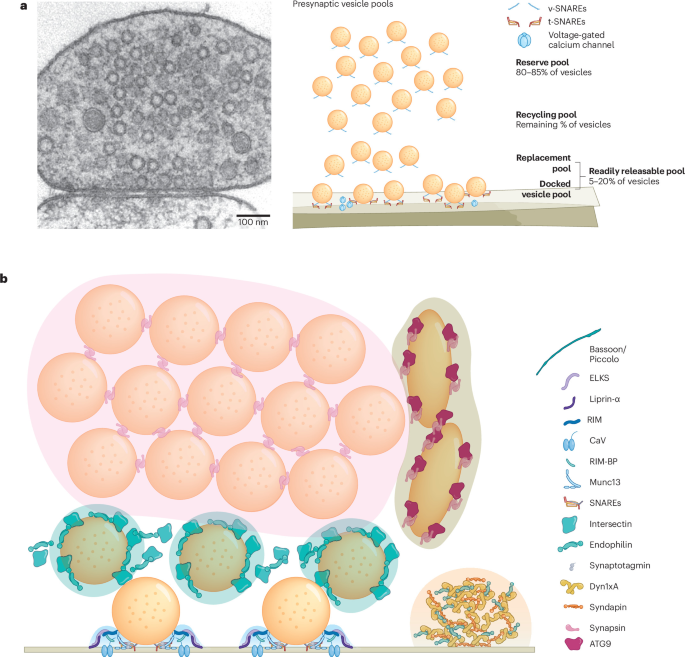
OdefTO Labs readers, here’s a critical update regarding a fundamental aspect of how our nervous systems operate, and why it demands your immediate attention. Recent advancements have revealed that the intricate functioning of synapses, the connections between neurons, relies heavily on a process called phase separation. This phenomenon occurs within the presynaptic terminals, the parts of neurons that communicate with other neurons, and involves the organization of molecules and organelles into distinct, specialized domains. Understanding this process is key to optimizing AI development in areas impacting neurological function.
This isn’t just an academic curiosity; it holds significant implications for professionals and teams working with artificial intelligence, specifically those involved in neurological modeling, diagnostic tools, and therapeutic development. The core issue is the remarkable degree of control and precision inherent in neuronal communication. The ability of neurons to transmit signals efficiently and accurately depends on these precisely organized domains within the synapse. Disruptions to this organization, which are now understood to be governed by phase separation, could directly affect synaptic transmission, leading to inefficiencies or even failures in communication. For your customer base, a deeper awareness of this could translate to more effective diagnostic tools and targeted therapies. A first-mover advantage in developing AI systems that can accurately model and even manipulate this phase-separation phenomenon could significantly benefit OdefTO Labs’ competitive position. Failing to address this area presents a tangible risk, the potential for overlooking critical elements in neurological AI development. Conversely, a proactive approach offers considerable opportunity: the chance to pioneer solutions within a potentially massive and largely unexplored domain.
So, what can you do this month to stay ahead of this important shift in understanding? Here are three practical steps OdefTO Labs’ teams can take:
Deepen Your Knowledge of Molecular Condensates: Dedicate time to further investigate the science behind phase separation. Focus on learning the specific molecules involved, primarily proteins, and how they interact to form these distinct domains within the presynaptic terminal. Explore the current research detailing the mechanisms that drive the creation and dissolution of these condensates. Begin with reviewing accessible summaries of the Nature article outlined above as a starting point.
Model Synaptic Function with Phase Separation in Mind: Re-evaluate current AI models used to simulate neuronal activity. Incorporate phase separation as a key variable within your simulations. This doesn’t require a complete overhaul, but rather a recognition that these domains represent a fundamental level of organization that must be accounted for. The goal is to create models that can not only predict neuronal behavior but also understand how changes in phase separation could influence that behavior. Consider using existing computational tools and frameworks to build and test these new models. Start with smaller, more manageable systems to refine your approach.
Explore the Connection to Neurodegenerative Diseases: The research on phase separation is increasingly linked to neurodegenerative conditions. Investigate the potential role of disrupted phase separation in diseases such as Alzheimer’s and Parkinson’s. This exploration could reveal new targets for AI-driven diagnostic and therapeutic interventions. Research the mechanisms that cause these disruptions and assess how AI could be used to identify early signs of these issues.
The implications of this research extend far beyond basic neuroscience; it presents a framework for profoundly impacting the development of AI systems designed to interact with and potentially influence biological systems. As further research uncovers the intricate details of this phase-separation process, it will become increasingly apparent how crucial it is for understanding the complexities of brain function.
Looking ahead, we anticipate seeing a surge in research focused on engineering and manipulating these molecular condensates. Expect to witness the development of AI tools capable of precisely controlling the formation and dissolution of these domains, offering unprecedented control over synaptic transmission. Detailed investigations into the specific molecular interactions driving phase separation will likely reveal new targets for therapies aimed at treating neurological disorders. Keep a close eye on developments in areas like optogenetics, techniques that use light to control neuronal activity, and how they might intersect with this emerging understanding of phase separation. OdefTO Labs will continue to monitor and integrate these advancements into our offerings, ensuring you have the insights needed to develop the next generation of AI solutions for neuroscience.
The last section was written with AI help from the abstract only.
Source: Nature Neuroscience — Read the full article on the original site ↗
Get the best of this topic in your inbox
Join the newsletter. A short, useful digest, no spam.