ODEFTO's TAKE
The arrival of self-operating human-like robots, especially those created by firms such as Siemens, is likely to greatly change college settings. This change is important for ODEFTO LABS clients, specialists and teams working with AI, because it presents both serious financial factors and possibly important chances. The quick speed of progress in this area, because of strong rivalry, brings dangers related to a lack of readiness and the possibility of changes in technology, while also giving the possibility to examine new ways to use AI.
This month, there are three main steps ODEFTO LABS clients can take. First, start a basic look at your college’s work methods and procedures. Concentrate on finding specific jobs, like welcoming guests, helping in the library, or providing security, that could be done well by a robot. Second, learn about how humans and robots work together, understanding the rules of designing and putting into action successful interactions. Finally, start a detailed study into the total expense of owning a human-like robot, thinking about not just the first cost but also the ongoing upkeep, training, and joining costs.
As the making of complicated self-operating robots continues to grow rapidly, it’s important to watch how these systems are becoming a part of working places, particularly within colleges and specific uses of AI.
This is Odefto's take on a published article, written with AI help from the article's text. The link below goes to the source.
Source: Inside Higher Ed — Read the original article ↗
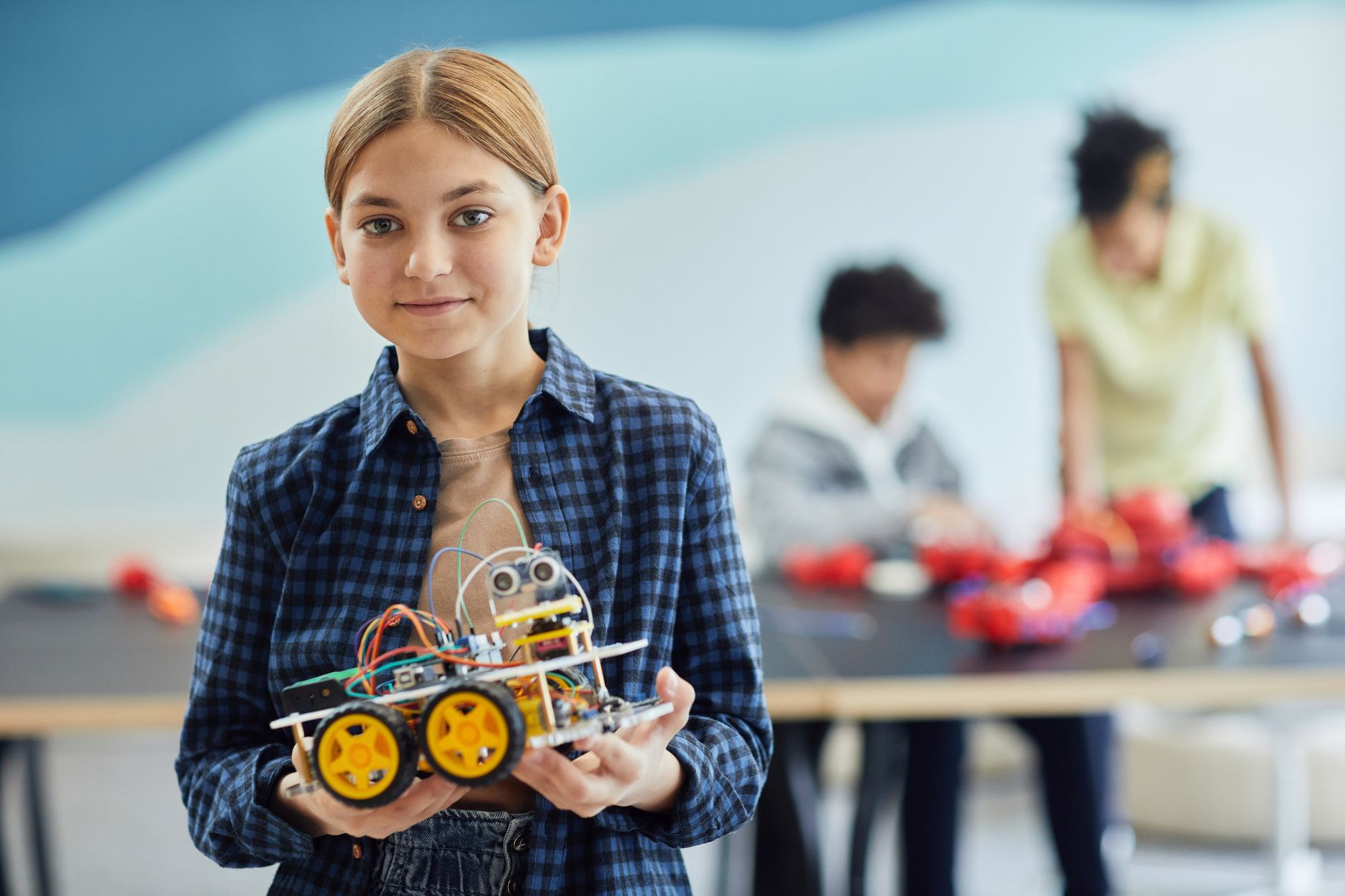
Featured image: Photo by Vanessa Loring on Pexels
Get the best of this topic in your inbox
Join the newsletter. A short, useful digest, no spam.