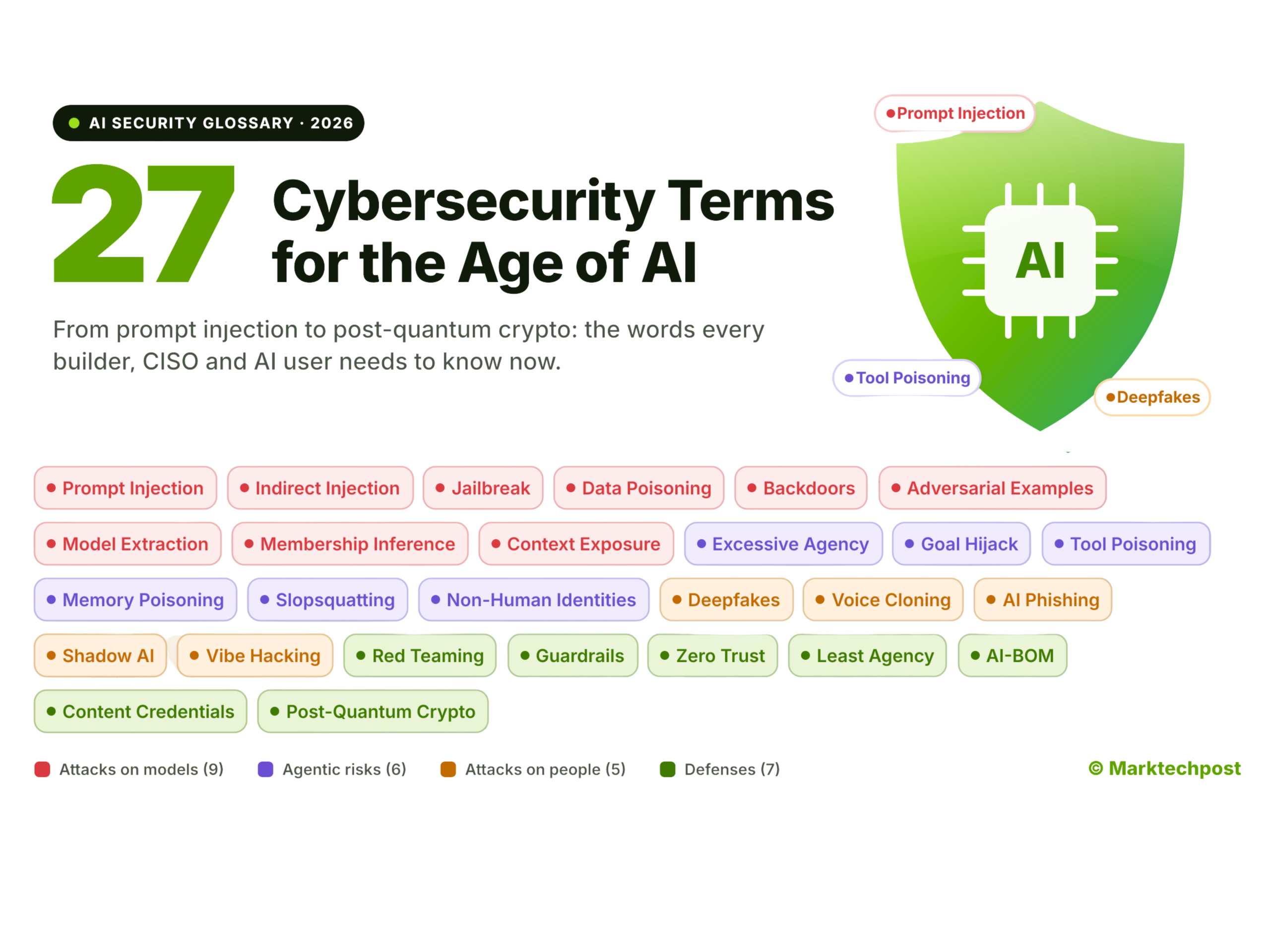
A significant change has occurred in the cybersecurity around artificial intelligence, presenting new challenges for professional and team-based AI operations. Recent data, including IBM’s 2026 Cost of a Data Breach Report, demonstrates a dramatic increase in AI-enabled harmful breaches, specifically, one in four breaches used AI, up 56% year over year, costing an average of $6 million, exceeding the global average by $1 million. This shift demands immediate attention and proactive preparation within ODEFTO LABS’ client base.
This situation affects organizations relying on AI, increasing their potential exposure to costly breaches and improving the complexity of attack techniques. The rise of AI-powered attacks threatens customer data, increases competitive pressures from attackers’ ability to exploit weaknesses, and introduces considerable risk associated with operational disruptions and reputational damage. Simultaneously, it creates opportunities for those who can anticipate and reduce these threats effectively, a key area where ODEFTO LABS can provide valuable support.
Here are three practical actions ODEFTO LABS’ clients can take this month to strengthen their AI security:
Implement Prompt Injection Defenses: Focus on understanding and reducing prompt injection vulnerabilities in language models. This involves training teams on identifying and blocking harmful inputs designed to change model instructions. Prioritize implementing input validation and output classification systems to control the flow of information in and out of AI applications.
Conduct Agent Risk Assessments: Begin evaluating the level of control given to AI agents within your systems. Start with a framework that identifies potential “agent goal change” scenarios, where an agent’s objectives could be manipulated. Conduct thorough testing to determine how quickly agents might deviate from intended targets or actions.
Explore Zero Trust Principles for AI Systems: Immediately start applying the rules of a zero-trust security model to your AI infrastructure. This includes verifying every user, device, and workload accessing an AI system.
This is Odefto's take on the original article, written with AI help. The link below goes to the source.
Source: MarkTechPost — Read the full article on the original site ↗
Get the best of this topic in your inbox
Join the newsletter. A short, useful digest, no spam.