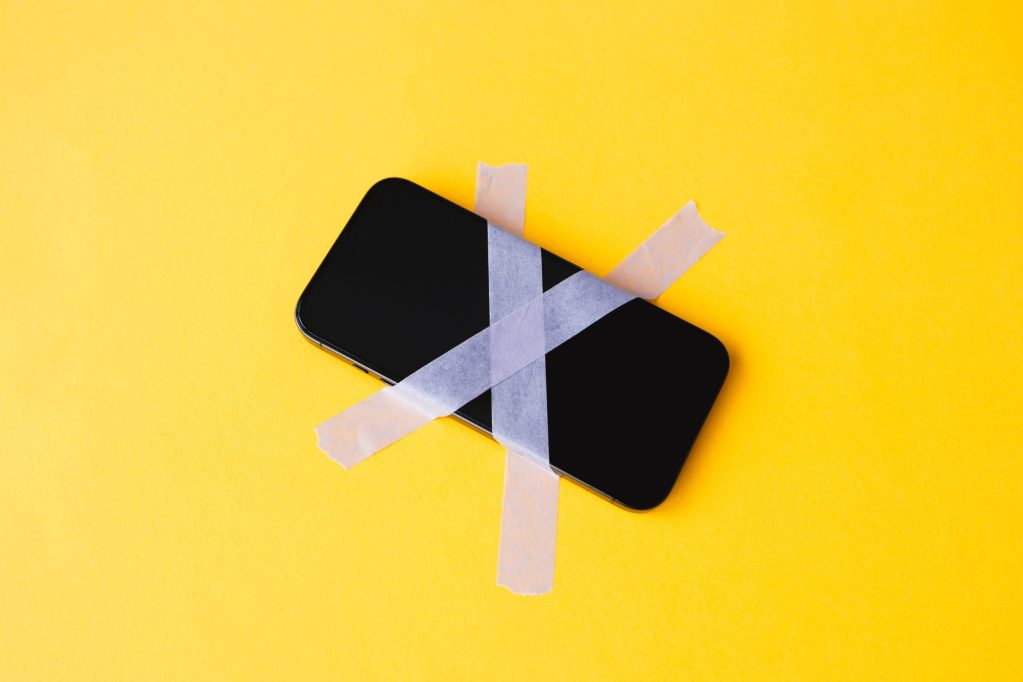
Odfetto Labs readers, a notable change in research concerning school cellphone bans is emerging. Recent studies, including one released last week, continue to show very limited academic gains from restricting student cellphone use during the school day. This matters for ODEFTO LABS customers, professionals and teams focused on AI, because it directly affects how valuable people think tools are that try to reduce digital distractions in educational settings. The potential problems are in exaggerating the effectiveness of these tools, and there is a chance to focus on practical solutions for managing attention.
Here’s what you need to know and what you can do this month:
Firstly, the main findings are consistent: academic improvements from cellphone bans are very small. The latest study from Harvard University showed gains of only 0.0087 of a standard deviation in combined math and reading scores, measured using MAP tests, translating to an estimated additional one to two weeks of learning per year. This matches previous research from Stanford, Duke, the University of Pennsylvania, and the University of Michigan, which also found little to no academic impact from cellphone pouches. These pouches were initially seen as a cheap way to help students instead of tutoring, but now seem to represent a small return on investment.
Secondly, the implications are wider than just test scores. Schools implementing these bans saw a decrease in cellphone use and reported fewer instances of students being distracted in class. There was an initial increase in disciplinary problems, but these lessened after the first year. However, the impact on student achievement was so small that it’s hard to justify continuing to spend money on these measures.
So, what can you, as a customer of ODEFTO LABS, do this month?
Focus Your Efforts on Attention Management Techniques: Given the current evidence, shift your efforts to developing tools and strategies that address broader attention management challenges rather than solely relying on cellphone bans. This includes exploring techniques like mindfulness exercises, gamified learning approaches, and personalized learning pathways.
Investigate Data About Out-of-School Usage: As the research shows, distractions probably extend beyond the school day. Explore methods to analyze student screen time and patterns, possibly using AI insights, to identify the biggest impacts on attention and learning. This aligns with the suggestion from researchers like Tom Dee and Stephen Kane that social media companies should share data.
Support Data-Driven Strategies: ODEFTO LABS can play a role in advocating for a move away from simple, basic interventions. Support the collection and analysis of data about student engagement and learning outcomes, considering both in-school and out-of-school experiences.
Looking ahead, we should expect continued debate among researchers concerning the influence of cellphone use on academic performance. The question remains whether the small gains observed with bans are truly meaningful, and whether alternative approaches, including a deeper understanding of student behavior and learning styles, can deliver better results.
This is Odefto's take on the original article, written with AI help. The link below goes to the source.
Source: The Hechinger Report — Read the full article on the original site ↗
Get the best of this topic in your inbox
Join the newsletter. A short, useful digest, no spam.