



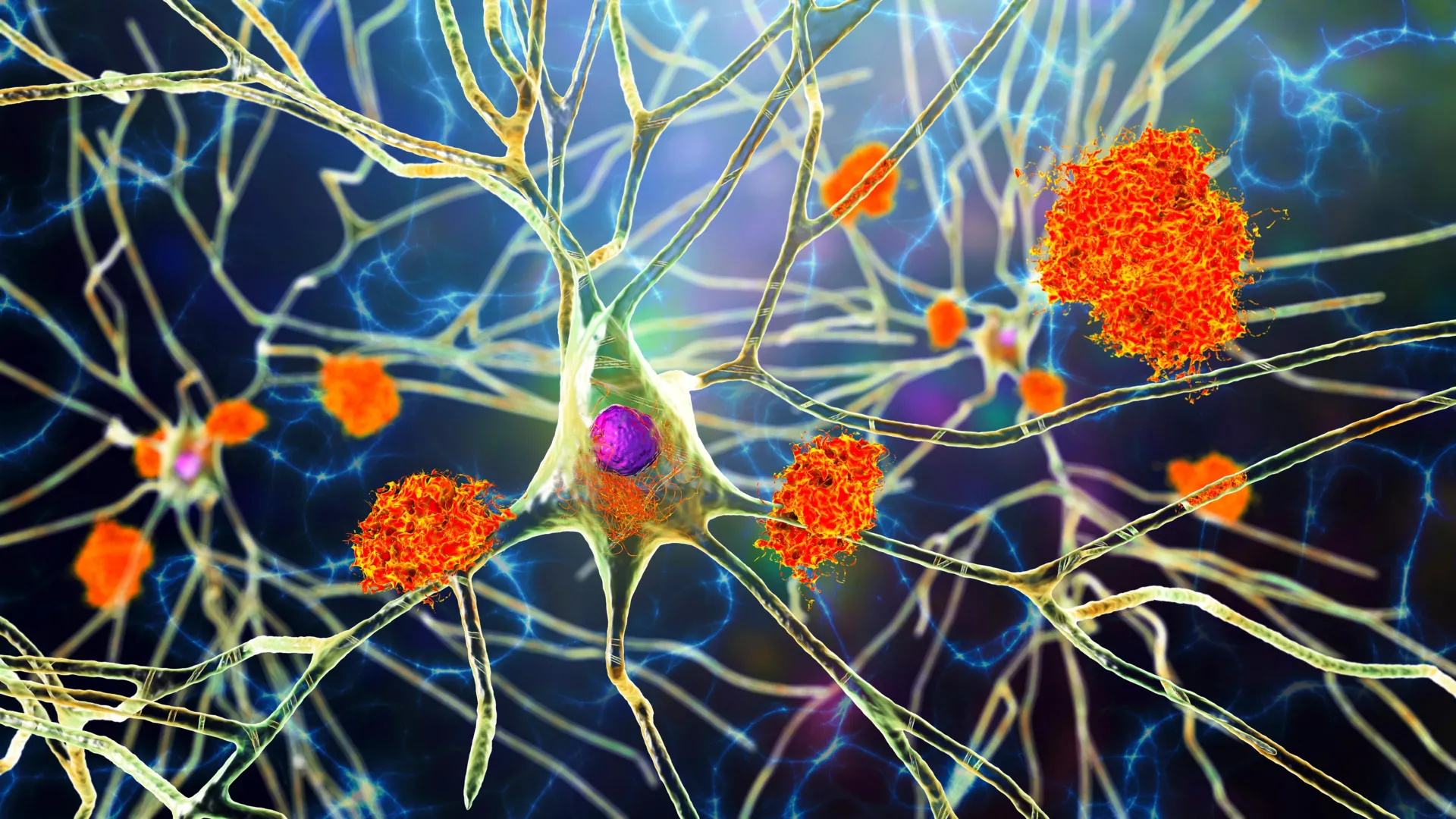
A protein that helps protect the brain may offer scientists a promising new way to fight Alzheimer's disease and other forms of dementia. Researchers have discovered that increasing levels of this protein can reduce the buildup of toxic tangles associated with brain damage, while also helping preserve the connections that allow nerve cells to communicate.
The findings, published in Science Advances by scientists at Sanford Burnham Prebys, suggest that strengthening the brain's own protective mechanisms could eventually lead to new treatments for neurodegenerative diseases. In experiments with mice, the researchers found that boosting the protein reduced several damaging changes associated with Alzheimer's, including brain shrinkage and the accumulation of abnormal tau proteins.
The discovery is particularly significant because tau plays an essential role in keeping healthy brain cells functioning. Under normal conditions, tau proteins help stabilize microtubules, tiny structures that provide internal support to neurons and help maintain the intricate networks of the nervous system.
In Alzheimer's and several related disorders, however, tau proteins can become abnormal and stick together, forming harmful clumps known as tau tangles. These tangles disrupt the normal functioning of nerve cells and are associated with cognitive decline and neuronal death. Diseases characterized by abnormal tau accumulation are collectively called tauopathies.
Source: ScienceDaily - Neuroscience — Read the full article on the original site ↗