

A survey of Iranian university students found that those with more pronounced Antagonism and Disinhibition, two maladaptive personality traits, were more likely to report harmful online behaviors such as cyberbullying, trolling, and catfishing. In contrast, students higher in Anankastia, a trait marked by perfectionism and rigid rule-following, were less likely to report several of these behaviors. The paper was published in BMC Psychology.
Social media has become an important part of everyday life. It allows people to communicate, maintain relationships, and connect with communities around the world. However, these platforms can also facilitate harmful behaviors, including cyberbullying, cyberstalking, online fraud, trolling, and various other forms of online aggression. Such behaviors can have serious consequences for victims, including financial losses, emotional distress, anxiety, and depression.
Researchers have increasingly investigated whether personality traits are associated with people’s likelihood of engaging in harmful online behaviors. Previous studies have found that individuals who are less agreeable, less conscientious, and more emotionally unstable tend to report higher levels of various antisocial online behaviors. However, most research has focused on normal personality traits, while relatively little is known about the relationships between harmful online behaviors and maladaptive personality traits, which represent more extreme and potentially dysfunctional patterns of thinking, feeling, and behaving.
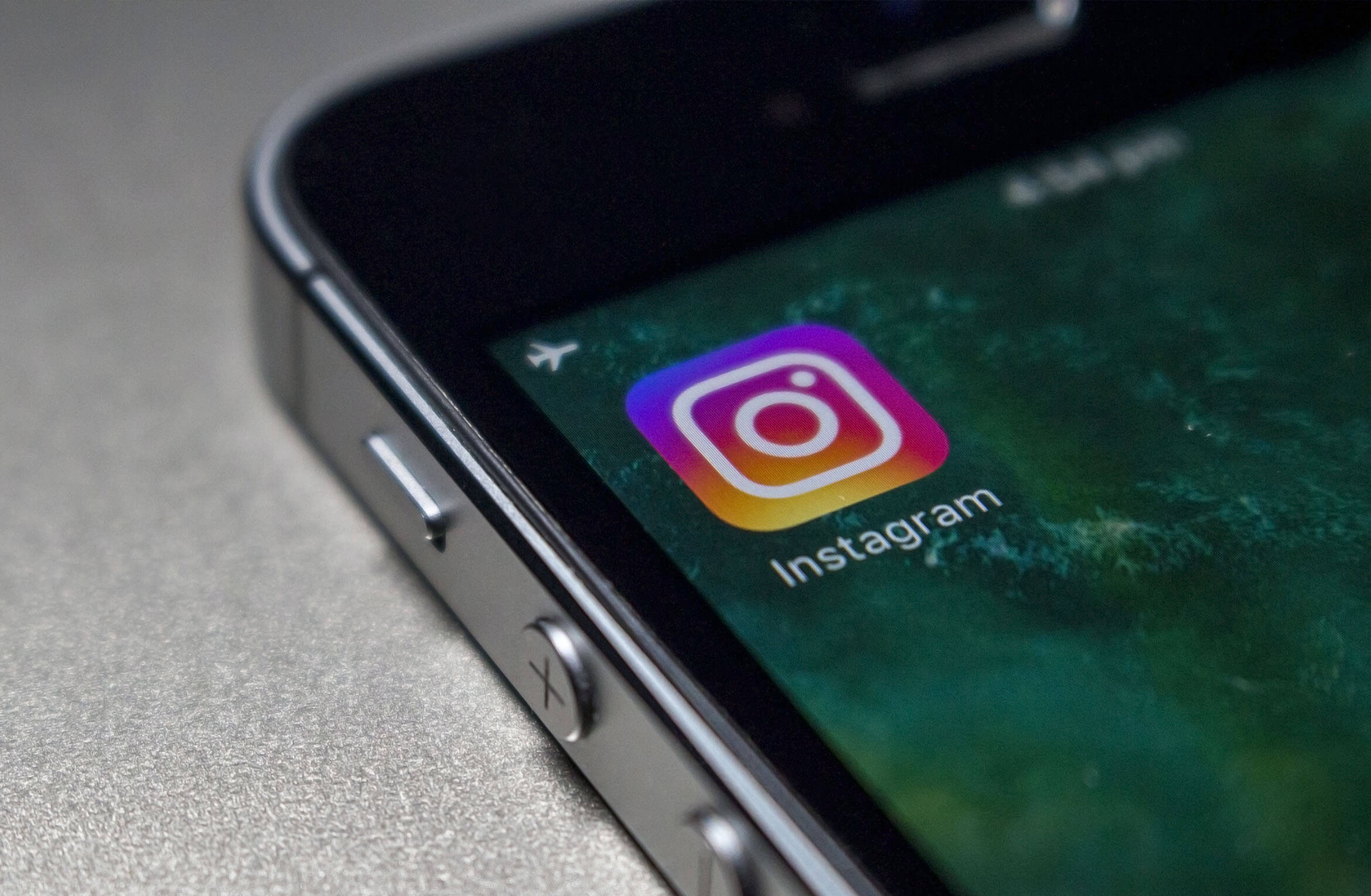
Study author Mojtaba Elhami Athar of the Darkmind Research Group in Tabriz, Iran, and colleagues explored the relationships between maladaptive personality traits and a range of online behaviors among Instagram users. These included cybercrime, cyberabuse, sadfishing (sharing emotional struggles on social media to gain sympathy), Instagram addiction, and measures of everyday Instagram activity, such as daily use, posting frequency, and selfie-sharing. The researchers focused on Instagram because it is one of the most widely used social media platforms in Iran and offers features that support diverse forms of online social engagement.
Source: PsyPost — Read the full article on the original site ↗