



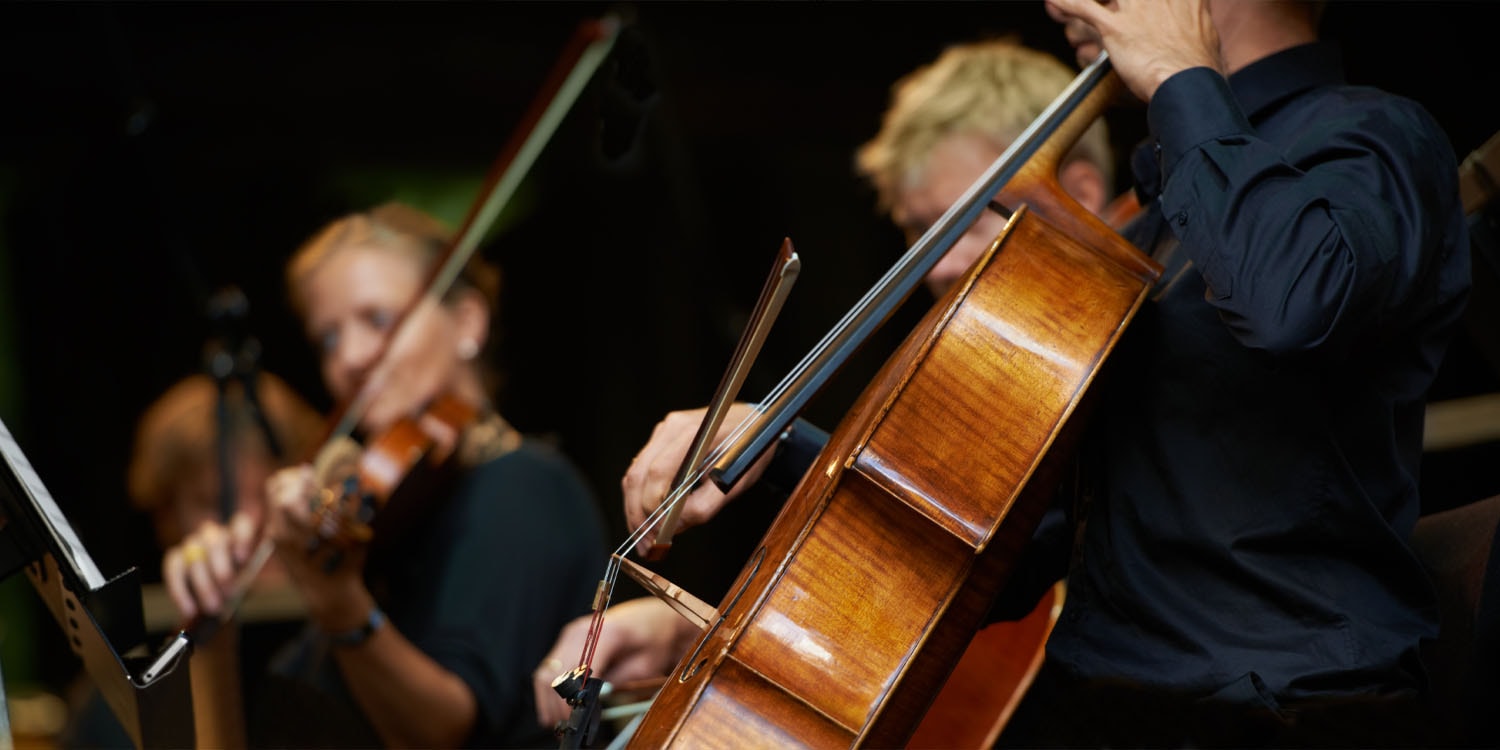
Children and teenagers who have spent time listening to classical music are more likely to appreciate complex musical styles like jazz and opera. A recently developed survey tool indicates that past emotional engagement with classical music is linked to a stronger preference for these genres. The research was published in the journal Psychology of Music.
Psychologists classify genres like classical, opera, jazz, and world music under the umbrella term of sophisticated music. The MUSIC model is a standard framework researchers use to categorize auditory tastes. In this model, sophisticated music is characterized by its perceived complexity and by being predominantly instrumental. Listeners generally perceive these genres as intelligent and inspiring.
Most children and teenagers gravitate toward pop, rock, or contemporary music in their daily lives. They rarely select sophisticated music to regulate their moods or socialize with friends. Music education programs frequently attempt to increase appreciation for classical music among younger generations.
Past studies have shown that young children are generally open to many types of music. This openness to different styles narrows dramatically during adolescence. During the teenage years, preferences tend to align strictly with what is popular among peer groups. As young people transition into adulthood, their willingness to explore diverse musical styles typically rebounds.
Source: PsyPost — Read the full article on the original site ↗