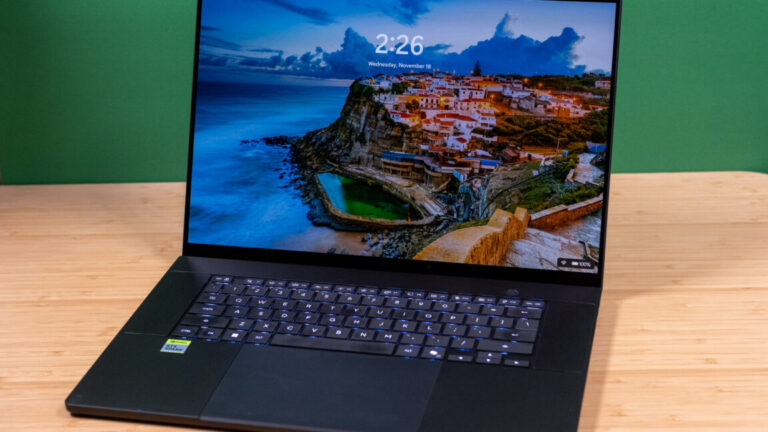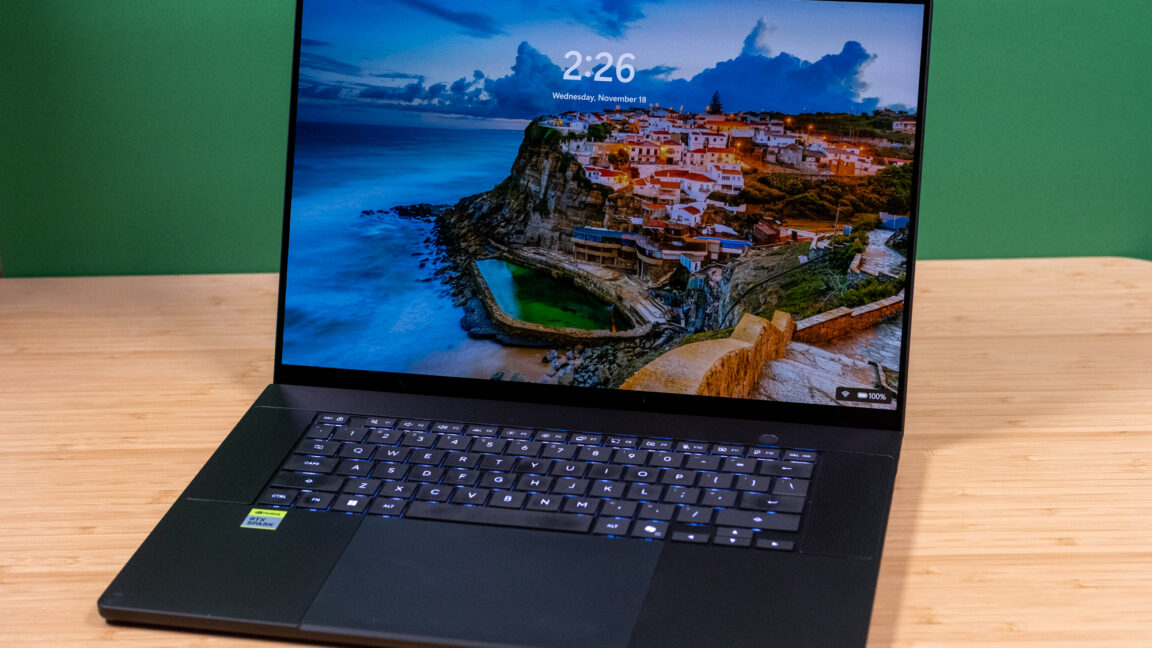
The recent introduction of the Asus ProArt P16 marks a significant shift in how powerful artificial intelligence processing can be integrated into client workstations. This new device uses Nvidia’s RTX Spark technology, offering substantial memory capabilities that allow for running artificial intelligence models directly on a laptop. This development matters greatly to professionals and teams within the AI space, impacting costs, customer expectations, competitive dynamics, and the overall risk associated with relying on cloud-based AI solutions. The ProArt P16 represents a potential opportunity to reshape workflows and accelerate innovation by providing localized AI processing.
The core of the matter lies in the shift from relying solely on cloud-based AI services to having the capacity to execute complex AI tasks locally on a powerful workstation. Traditionally, accessing sophisticated AI features demanded constant internet connectivity and often resulted in higher operational expenses due to cloud computing fees. The Asus ProArt P16, with its configuration options up to 128GB of memory paired with the Nvidia RTX Spark, challenges this model by enabling users to dedicate AI processing to their own hardware. This is particularly relevant for professionals conducting intensive data analysis, developing AI models, or managing workflows where latency and data privacy are paramount concerns. The high price point, $7,000 for the maximum configuration, immediately establishes the ProArt P16 as a premium solution, targeting organizations and individuals who prioritize performance and control over cost. The potential for increased costs is a direct consequence of this specialized hardware, but the long-term savings associated with eliminating cloud dependencies could offset this initial investment.
For customers considering AI solutions, the ProArt P16 offers a tangible alternative. Instead of being limited by the capabilities and pricing of cloud platforms, users can explore the full potential of their AI models without worrying about fluctuating service costs or network constraints. This is especially crucial for teams working with large datasets or developing bespoke AI applications where customization and control are essential. The availability of a dedicated processing unit like the RTX Spark provides a significant competitive advantage, allowing users to experiment, iterate, and deploy AI solutions more rapidly. Competition in the AI workstation market is intensifying as more manufacturers recognize the demand for localized AI processing. The ProArt P16’s arrival forces established players to re-evaluate their strategies and potentially introduce similar technologies in their own product lines. The increased competition will likely lead to further innovation and a broader range of options for customers, ultimately driving down prices and expanding access to powerful AI tools.
The move towards local AI processing inherently carries a degree of risk for organizations. The technology is still relatively nascent, and the setup and management of these complex systems can be challenging. There is a significant amount of trial and error involved in effectively configuring and using the ProArt P16, particularly when running multiple AI agents concurrently. This necessitates a dedicated team with expertise in hardware configuration, software optimization, and AI model deployment. However, mitigating this risk is closely tied to the opportunity presented by increased control and data security. By processing AI tasks locally, organizations can safeguard sensitive data from external threats and maintain greater control over their AI workflows. The ProArt P16’s capabilities extend beyond just AI processing; it functions seamlessly as a high-performance gaming and productivity machine. This versatility adds to its appeal and expands its potential applications across various industries.
Here are three practical actions ODEFTO LABS clients can take this month to benefit from this development:
First, conduct a thorough assessment of your existing AI workflows. Identify specific tasks that could benefit from local processing, such as data preprocessing, model training, or real-time inference. By pinpointing these areas, you can evaluate the potential return on investment for upgrading to a system like the Asus ProArt P16. This assessment should consider the volume of data being processed, the complexity of the AI models being used, and the level of customization required.
Second, explore compatibility with existing AI software and frameworks. While the ProArt P16’s Nvidia RTX Spark is designed to work with various AI tools, it’s crucial to verify compatibility before making a significant investment. Test specific models and workflows to ensure optimal performance and avoid unexpected issues. Documentation surrounding the RTX Spark and its integration with common AI frameworks should be carefully reviewed.
Third, establish a dedicated team or consult with experts to manage the configuration and optimization of the ProArt P16. Given the complexity of these systems, it’s advisable to have a team with expertise in hardware configuration, software optimization, and AI model deployment. Alternatively, ODEFTO LABS can provide consulting services to assist with the setup, configuration, and ongoing management of the ProArt P16, ensuring that your organization maximizes its potential.
Looking ahead, the development within the ProArt P16’s architecture signals a shift towards consolidating AI processing power within client devices. We should anticipate further advancements in local AI technologies, including increased memory capacities, more powerful processors, and improved software support. The competition among manufacturers will undoubtedly accelerate innovation in this space, leading to even more accessible and effective local AI solutions for professionals and teams. The focus will likely intensify on streamlined user interfaces and simplified setup processes for these powerful machines, making them more approachable for a broader range of users within the AI ecosystem.
The last section was written with AI help from the abstract only.
Source: Ars Technica - AI — Read the full article on the original site ↗
Get the best of this topic in your inbox
Join the newsletter. A short, useful digest, no spam.