


In August 2024, I moved with my family from Chicago, Illinois, to Milan, Italy, to test out living overseas for a year. In the months after relocating, the American presidential race took an unprecedented turn with then-Vice President Kamala Harris navigating a late nomination to the Democratic ticket, Donald Trump surging to win the election, and Americans absorbing major societal shifts resulting from Trump’s victory.
Amid all these events, my news intake shrank. In Italy, TVs aren’t as common in public places as they are in the U.S., and where I did see them, they usually played soccer games rather than CNN, so my updates on American politics and society came mostly from browsing The New York Times in the morning and barrages of texts from friends in the U.S. After several weeks, I realized I didn’t want to spend my year abroad on my phone monitoring the shifting status of policies back home, analyzing the minutiae of American politics, and contemplating the future of democracy.
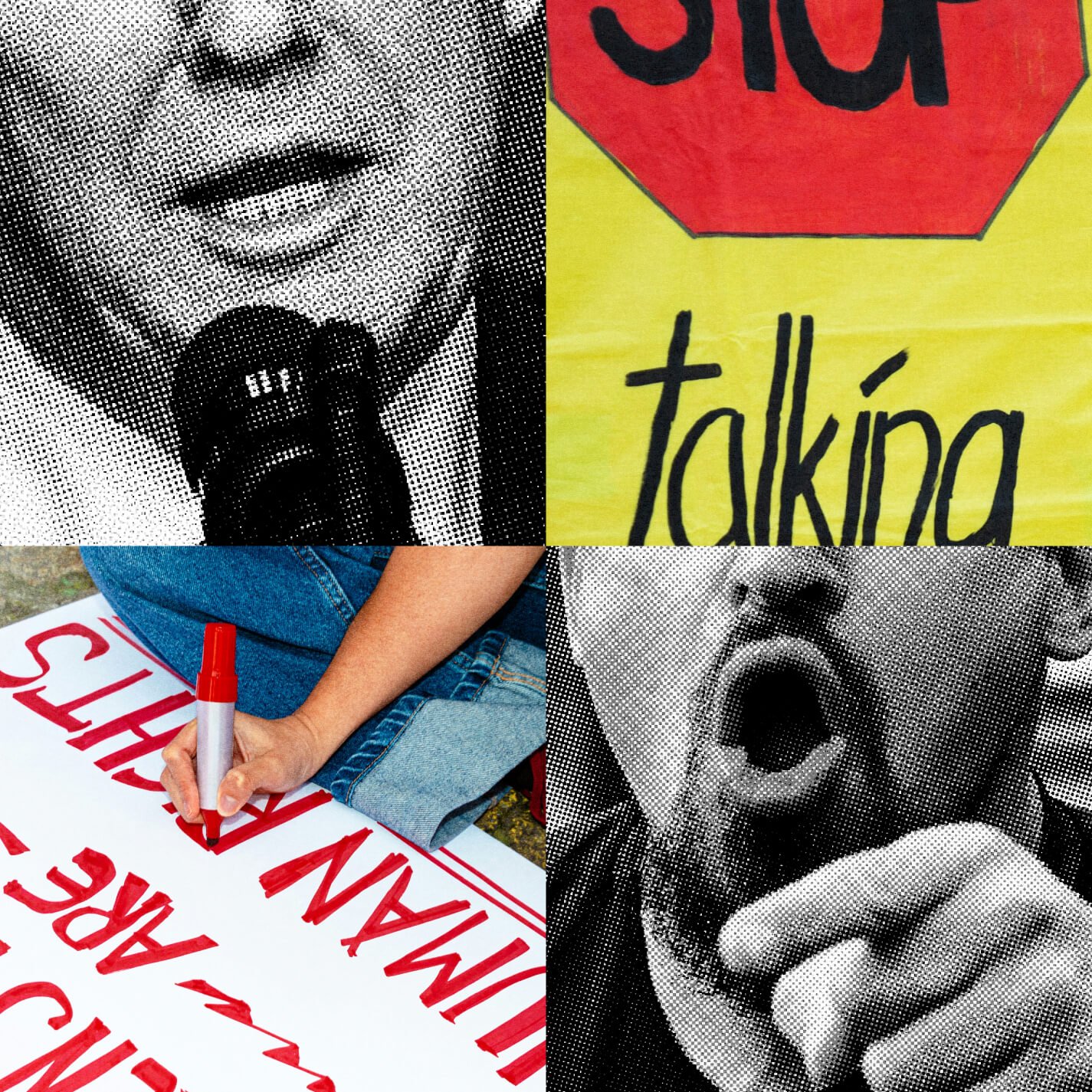
So I came up with a simple rule: When I encountered a news story, I’d mentally set it aside if it was mostly about words. If the story was about action, I’d consider it worthy of attention.
American society has argued, fought, and debated over language for the better part of the 21st century, and we are due for a course correction in where to devote our energy.
Source: Big Think — Read the full article on the original site ↗