



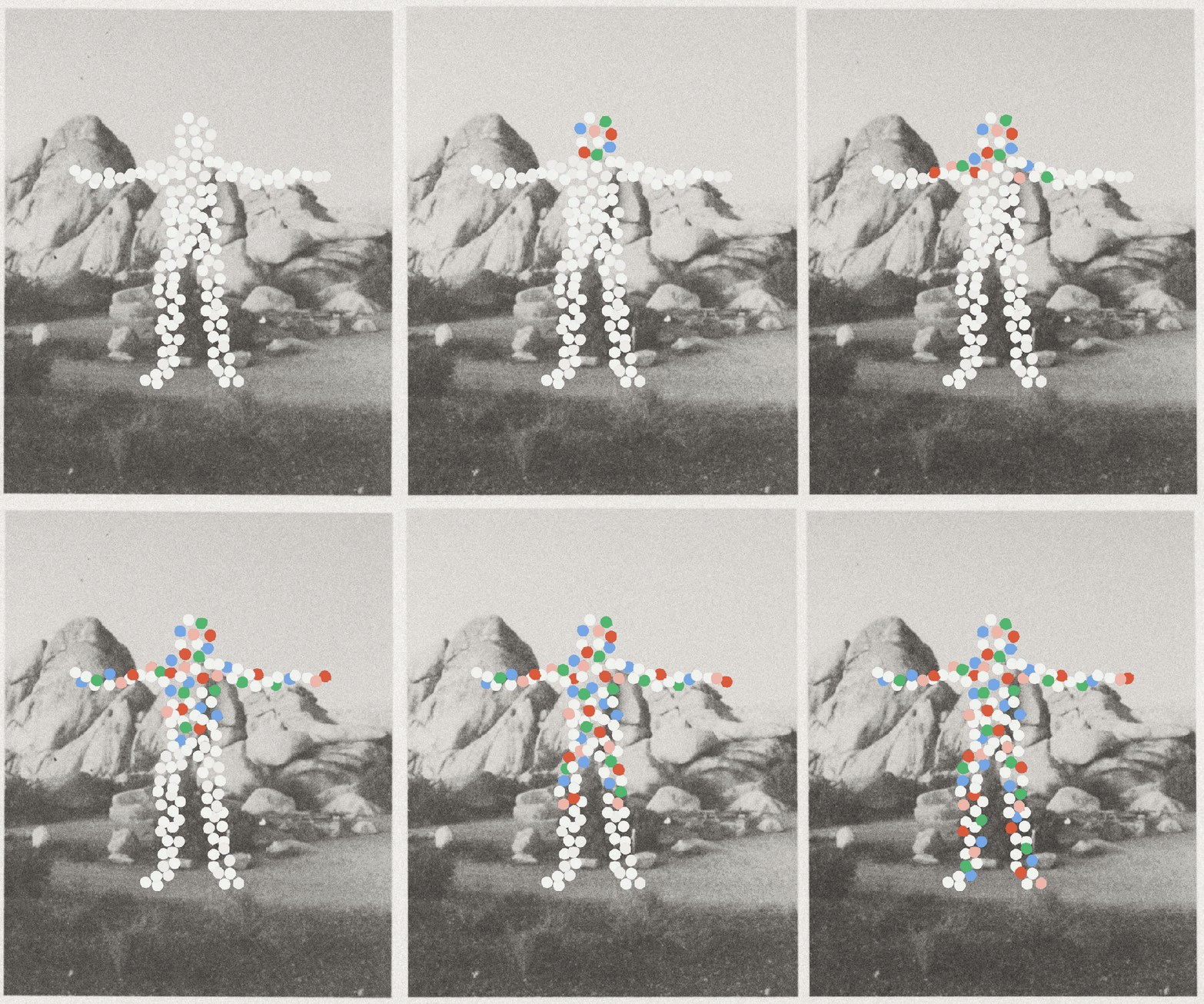
Years ago on the way to New Zealand for my doctoral studies, I stopped in Los Angeles to visit a friend. He organized a trip to Joshua Tree, where we hiked and camped. Come nightfall, I gazed at the stars and clouds — or so I thought. My friend pointed out that the cloudcover was, in fact, the Milky Way.
I didn’t realize our galaxy was ever visible to the naked eye, and I was deeply moved. The vast stillness of the desert, the free-roaming coyotes and the thick blanket of stars reminded me that we humans are only a tiny part of it all, yet also unbreakably connected to this stretching, expansive universe. More than a decade later, the awe of that experience remains important and vivid in my life.
Now, as a psychological scientist, I study awe for a living. Last summer, my colleagues and I asked 200 people in the UK to document their encounters with awe over six weeks. Because such experiences are often linked to a sense of purpose and flourishing, we wanted to know what mattered more: their frequency or intensity.
What we found surprised us. As we explain in this John Templeton Foundation-supported paper, those who experienced moments of awe that induced strong feelings of amazement and wonder reported a greater sense of meaning and wellbeing by the study’s end. It wasn’t how often people felt awe that mattered, but whether they had an experience which strongly evoked it.
Source: Big Think — Read the full article on the original site ↗